Showing posts with label freedom. Show all posts

13 May 2015

FREE Firefox?

Let's assume one is a "normal" Firefox user, so based on Windows and with no knowledge about using directly the mirrors (or without intimate knowledge of obscure acronyms). And let's assume the same person wants a FREE web browser, one with no binary blobs, with source available and not blocking the content from its user.

The challenge is, going from the Firefox start page, find a way to download the FREE version, without using external websites (so no Google search).

free firefox 38

Answer: Expand the menu thingy at the top, then go to the About page, then to the blog and find there an apologising post with a deep-buried link inside.

08 April 2014

On the Mozilla scandal

Like many of you, I too received the Mozilla email about "helping" with communications regarding the "activities of the past week", which is an euphemism for the Brendan Eich scandal. It comes with a FAQ you are expected to quote when talking about the issue.

Since all communications from Mozilla on the topic were opaque, either in blog posts with comments disabled or emails from generic addresses where is useless to reply, I finally decided to write something. Anyway, April 1-st, when I learned about the topic, wasn't a good day to write about serious issues. It may be not me my business what happens inside the Mozilla corporation, but if the Mozilla community feels a need to guide my public communications about it, then maybe it is.

So I am totally unhappy with Mozilla to caving-in to pressure from bullies. It creates a serious precedent and a slippery slope. What's the next step? Once a new CEO is announced, no matter who he is, the browser will be blocked by anti-gay websites? It looks like we are going towards a Balkanized web, where the "best viewed with [Internet Explorer|Netscape Navigator]" buttons are replaced by "blocked for browsers whose CEO have private opinion X".

Seriously, instead of personal political opinions of the Mozilla CEO I was more concerned about him wasting resources on the mobile OS unicorn while the browser looks more and more like a Chrome copy-cat.

22 January 2014

MP4 and Wikipedia

Last week when I read about the request for comments on Wikimedia supporting MP4 video I wasn't at my computer, so I couldn't vote and later forgot about it. My position here is simple: supporting proprietary and encumbered formats can only harm the open web, so Wikipedia and all the other Wikimedia websites endorsing it would be a huge blow for the openness and community, so I strongly oppose. However, I acknowledge a lot of the existing devices produce content in such formats, so I guess a reasonable compromise would be allowing such uploads but then transcode the videos in open formats and serve those for viewing.

Today I was reminded about the issue by a message on some Wikimedia mailing list by a message worded in such way, I can easily label as "pro MP4 spam". It was a good incentive for me to finally answer the RFC/vote.

Still, I am disturbed to see a "product manager" at Wikimedia Foundation campaigning for MP4, especially when the public opinion is strong against it (at this moment it records 251 votes for no support, votes for contributing only, no view and only 132 for full support, so more than 2:1).

15 March 2013

#FREEBASSELDAY

When I learned last summer about the #FREEBASSEL initiative, the move to support the liberation of FOSS developer Bassel Khartabil (Safadi), illegally detained in Syria, I was revolted. Even if I didn't knew him in person, we worked together on projects like the Open Clip Art Library. I signed the petition and helped spreading the word. Still, I wouldn't imagine it will take so long.

There are two news about him, one good and another bad. The good news, apparently he is alive, the bad news he is still illegally detained, with no formal charges against him and no trial is sight. So much that his supporters organize the 1st Annual #FREEBASSELDAY today, on 15 March 2013, one year after his arresting in Damascus. Honestly, to see this planned as a yearly action is very discouraging, I know one can argue with non-democratic governments, but I still hope he won't be jailed for one more year.

28 February 2013

How to shoot yourself in the foot: a story on Free Software activism

I wrote a few words last week when Richard Stallman visited Romania and delivered a talk, then he was invited at the official launch of a local organization, Ceata Foundation (it is actually older, but until now it was an informal group which recently was registered officially), which is crafted very much upon RMS style: Free Software supporters but to the extreme, burning bridges with other local groups (for example harassing fedoraproject.ro contributors).

Time for a disclaimer: I worked for a couple of years with Ceata on various projects and even had some formal position inside, but left in the summer of 2011 entirely for personal reasons, it was NOT due to differences in our views on FOSS or leadership (which were plenty), I could easily handle that part. It was my private life. So yes, I have inside knowledge and could be suspected to hold a grudge, put I promise is not the case.

So, back to the point, Ceata managed a very powerful image move by bringing the most important guest for their core audience. And they scored a second image move: to get RMS to do an interview at a local TV channel, Nasul TV. It is a very small TV channel (I don't have them on cable, only few cable companies carry them) but is still a TV channel. Ceata put a set of requirements, which were accepted. The interview was broadcasted and is almost one hour long.

Do not have any bias, just watch the interview, after a very short introduction in Romanian, it is English with Romanian subtitles. I admit of watching only about 5 minutes, I know well the topic and I am just after attending in person one RMS talk, but for those who didn't, there is a lot of insight.

So far everything was positive, let's move to the "shoot in the foot" part: after the interview, Ceata is unhappy. They have a problem with the video format, they requested the WebM format to be used exclusively, but it was MP4 inside a Flash player. After talks, a link to the WebM version was added. Also there is an issue with Facebook page for the show being mentioned near the end of the interview, Ceata requested that part to be cut to no success. Then they have issues with the translation, things like the Romanian words used to translate "proprietary" or "non-free". And the big issue is with the license, the video recording was released as CC-BY-NC-ND, while the television does not understand the issue with NC (and imagine someone will sell their work for a profit), Ceata has a problem with the ND part: they can't replace the translation and can't censor the Facebook part (note: RMS himself uses CC-BY-ND).

So what a Free Software activism is expected to do? You can see it on their mailing list (in Romanian language): they are unhappy, threaten the TV channel, invite members to comment on the website, talk about a flashmob, boycott, even the "DDOS" word was heard (that mail is still up). Currently the flashmob is under planning, supposed to happen tomorrow morning (details in the linked thread). Focus was lost, it moved from the license to linguistics.

Next time with another such FOSS speaker will be around, expect him to be seen on TV. Or maybe not.

29 August 2012

IRC session on CC licenses and sharing

Kushal invited me to give an IRC talk to the Linux Users' Group of Durgapur (don't be thrown back about their website, is recovering after an "incident") on Creative Commons licenses, sharing, free culture and free art. It happened yesterday evening on #dgplug, taking until late in the night - I suspect some of the audience felt asleep, they were not as interactive as I hoped. They had only very brief knowledge about software licensing (considering it was a LUG) and even briefer on cultural licenses, so I had to start with the basics. For the curious, the full session log is available at my website (it should appear also on dgplug's website - update: here).

13 July 2012

#FREEBASSEL

Have you ever used the Open Clip Art Library or the Open Font Library? Both of those sites are powered by the Aiki framework, which was used with openclipart.org as its primary target. The main developer behind Aiki is Bassel Khartabil and he is in need of our help, being detained in Syria.

freebassel
Bassel by Joi Ito, on Flickr

His friends launched #FREEBASSEL, a global effort to gather information and leverage that will help lead to his release, here's a quote from the campaign website:

On March 15, 2012, Bassel Khartabil was detained in a wave of arrests in the Mazzeh district of Damascus. Since then, his family has received no official explanation for his detention or information regarding his whereabouts. However, his family has recently learned from previous detainees at the security branch of Kafer Sousa, Damascus, that Bassel is being held at this location.

Myself, I have little faith (none at all in fact) in dictatorships like the Syrian one but I signed the petition, think is a worthy cause and invite you to join. Solidarity is the best thing we can have in such situations.

I didn't knew Bassel directly, we exchanged mails on the OCAL mailing list, but I used his work, both as an contributor and used of both OCAL and OFL. But even if I didn't knew him, for crying out loud, he was detained 4 months ago and nobody, not even his family, have any info. That's not acceptable.

05 July 2012

Freedom

Software freedom is a luxury. I often talk here about software freedom, I advocate it, I fight for it, but let me tell you again: software freedom is a luxury, in order to enjoy it there are other things needed, like a democratic society, law, justice or freedom of speech, if there was a Maslow pyramid of freedoms, software freedom would be somewhere to the top, with those basic things as its base. You know, the things you take as granted in a country member of the European Union and for which people died in December 1989.

romania
"wake-up Romania, your democracy is dying!" says a protester in Bucharest


Those things are now at risk in my country, Romania, where in the last few days the democracy imploded. The American embassy expressed concern, the German one did the same, the French government did the same, the EU Justice commissioner did the same, there are talks about suspension from the European council. If it sounds like hell, it is because is hell.
romania
"Prime Minister Ponta, in 2 months you destroyed the democracy built in 20 years"


The problem is, even if the current government isn't, we, in some parts of the country, are a modern European society, we don't have guns to take them in the streets to defend democracy. We have families and jobs to keep, the best we can do is to go out in the streets and protest. Then document everything online, since the traditional media is owned and controlled (more on that later). The moment was "well" chosen: the country practically melts at near 40°C, students go home for the summer break, parents are worried with their children in the middle of high-school graduation exams, people are planning summer vacancies away from the city - you know, what a normal society is supposed to to. Unfortunately, a corrupt government takes us from normality and make us go out in the streets. Even the computer geeks (especially the computer geeks, who are part of the progressist class of the country).
romania
FOSS hackers and and IT&C students left their basements to defend the Consitution


So what happened? Let me get back in time for a few months: the year started with a heavy winter, with even below -22°C and a center-right government based on a weak parliamentary majority being hard on economy trying to keep the country economy stable and avoid repeating the Greek situation. Of course the austerity measures (they were in power since 2008, for all the global crisis) made them unpopular. Add some corruption, which seems to be a constant to all Romanian governments, some mistakes and a very good propaganda machine in the hands of the opposition, they were going for a big loss in the upcoming general elections, scheduled for this autumn. But then something happened: opportunists changed parties, seeking for a warm place and the parliamentary majority changed. The government changed, a coalition formed around the ex-communists got into power.
romania
"Why do you lie to us?"


So far this is democratic play, it was all legal even if apparently dumb: the former government was unpopular and still losing popularity, more austerity had to come. The communist had nothing to do than just wait half a year and they were approaching a slam dunk, winning election with no effort. Yes, getting into power earlier gave them some advantage (a few years ago their leader, the current Romanian Prime Minister Victor Ponta declared after losing an election "we lost because their vote stealing machine was better than our stealing machine"), but also had disadvantages: in those months, despite their promise to raise salaries and pensions, they would have been forced o keep austerity, otherwise the country economy goes into chaos and they have their hands tied by the European Union and International Monetary Fund anyway. So why hurry?
romania
protesters


The ex-communist party had the government from 2000 to 2004, when they lost election facing a wave of people angered by their corruption and anti-democratic actions, like free press suppression or using the justice to destroy political enemies. Then came as a hero the current president Traian Basescu, which they tried to impeach back in 2007 but failed, he was re-confirmed with a huge majority and was re-elected in 2009. The main promise of president Basescu was freedom of justice and this started to bring its fruits, after many years of delays the courts approached verdicts in some major cases, one of them being Adrian Nastase, former Prime Minister. They HAD TO stop justice. As icing on the cake, the current PM, Victor Ponta was revealed by the British magazine Nature as a plagiator in his PhD thesis, situation in which other politicians of the world had to resign their seats. That HAD TO be stopped too.
romania
"Down with Ponta" and "Ponta is a plagiator"


The hard moves started last week, when the public television management was changed to be comprised only of government representatives (traditionally, it also had proportional representatives from all the parliamentary groups). In rural Romania internet access is limited, people get most of the information from television, so they assured to take control of the public television. They also had control of the biggest private media trust in the country, which is owned by Dan Voiculescu, a known collaborator of the secret police from the communist dictature and they have control over other smaller media companies. A second move was to move Monitorul Official, the paper where the laws are published before they are able to function, from the Parliament in the direct control of the Government, this way it can be used to their own purposes - the first use was to escape the above-mentioned media-mogul from an imminent judicial sentence. The second use was to dissolve the universitary ethical commission who would have recommended retiring the Prime Minister's PhD.
romania
"We want a country like outside. Down with Ponta"


This week the things accelerated. First, the People's Advocate was replaced: over the summer the Parliament goes to a break, the government will pass "urgency orders" which are to be approved as laws after the parliamentary break in the autumn, but until then they have the power of laws and the People's Advocate is the only authority able to challenge them in the meantime at the Constitutional Court. Then the presidents of the both parliament chambers were changed, with government representatives - this is again against the law, since they were supposed to be replaced only with another members of their party. Then the government passed an urgency order which limits the Constitutional Court to oppose the impeachment of the president. Yesterday the impeachment procedures were started and tomorrow a law (or urgency order?) will be passed to simplify the procedures of dismissing an impeached president.
romania
"Victor, when you will call the miners?"


What's next? The president will be impeached, a referendum will follow in about 3 months. In the meantime, his place will be held by one of the government coalition leaders, which got into this position (Senate President) just a couple of days before, he will have almost all President powers, including to pardon and put into liberty condemned criminals (hint, hint!). The last standing democratic institution is the Justice, which have leadership changed scheduled in September anyway, with the new leadership to be put in function by the government, parliament and the (temporary by then) president. And then this government will "organize" the presidential referendum and new parliament elections. In a country which will be no more a democracy.
romania
Protester


What we do in the meantime? Protest. Today Bucharest is expected to held a big rally of democracy supporters, I will follow this matter on my photography blog. To end in a different, less gloomy tone, this is the sign I liked the most at yesterday protests in front of the government building:
romania
"Hello political parties. The Higgs Boson exists. Let Romania alone."


13 June 2012

"Pirates": SpringerImages

Lately we hear a lot about cases where corporations or greedy individuals misuse freely licensed software or content, such a case is related in a special report in Signpost, Wikipedia's community-written and community-edited newspaper: Springer's misappropriation of Wikimedia content "the tip of the iceberg".

SpringerImages, a website providing scientific images and part of the Springer global publishing company was caught by a professor publishing and selling Creative Commons licensed materials with no proper attribution. After being contacted and some talks with the professor, the publishing company admits there may be some flaws but call the accusations "blatantly false" and "reputation damaging".

After the Signpost's article, Springer published another response, this time they acknowledge "defects" and take measures like "we have manually stopped display of *all* images with MediaWiki or Wikipedia in the caption. These images will not be displayed again until we can reliably differentiate among those that have non-commercial restrictions."

The article notes how damaging for Free culture such abusers are, one notable example being the German Federal Archives, which donated 100.000 pictures to Wikipedia in 2008 and then stopped contributions after seeing mass-scale abuse of their donated content (like images with watermarks cropped and then sold on eBay as original)

In as interesting piece, read it all at Signpost.

12 June 2012

Thresholds

A big flame does not end suddenly, it continues with echoes and as echoes go further away, the more ridiculous they get. You can learn, for example, why do Fedora needs signed binaries for UEFI with Secure Boot: because is too hard for users to enter BIOS and change a setting there.

I encountered myself Linux users who didn't entered BIOS before but they need it for the install to change boot order. In such cases I google myself a nice tutorial and point to that. If they are not able or not willing to follow such simple instructions, then I recommend them to continue using Windows, pay for a specialist to solve their problems or take a computing course. And I don't think I am wrong in doing that, by definition, Fedora user base is defined by voluntary Linux consumers who are computer-friendly and likely collaborators. If they are unable of doing such a little work or unwilling to learn such a simple thing, they will be more pain than useful contributors.

There is this illusionary dream in the Fedora community to gain massive market share (the stats show we are shrinking) by attracting an audience of "girl scouts" type of users, for which we removed usability, lose features day by day and may reduce the freedom in the near future.

From the beginning, being a Free software user required a balance between freedom and convenience, and every of the people involved has his own threshold, but Fedora as a project has a stated mission "to lead the advancement of free and open source software and content as a collaborative community" and "freedom over convenience" was part of our marketing message since the four foundations were defined and even before that.

Back to anecdotes and personal experience, time teaches me is not worthy to invest in people who are not willing or not able to learn: you teach them at first, some will learn and grow into valuable contributors, some will refuse and suffocate you with babysitting requests. Filter ones from the others and your life and work will improve.

07 June 2012

Luana wallpapers

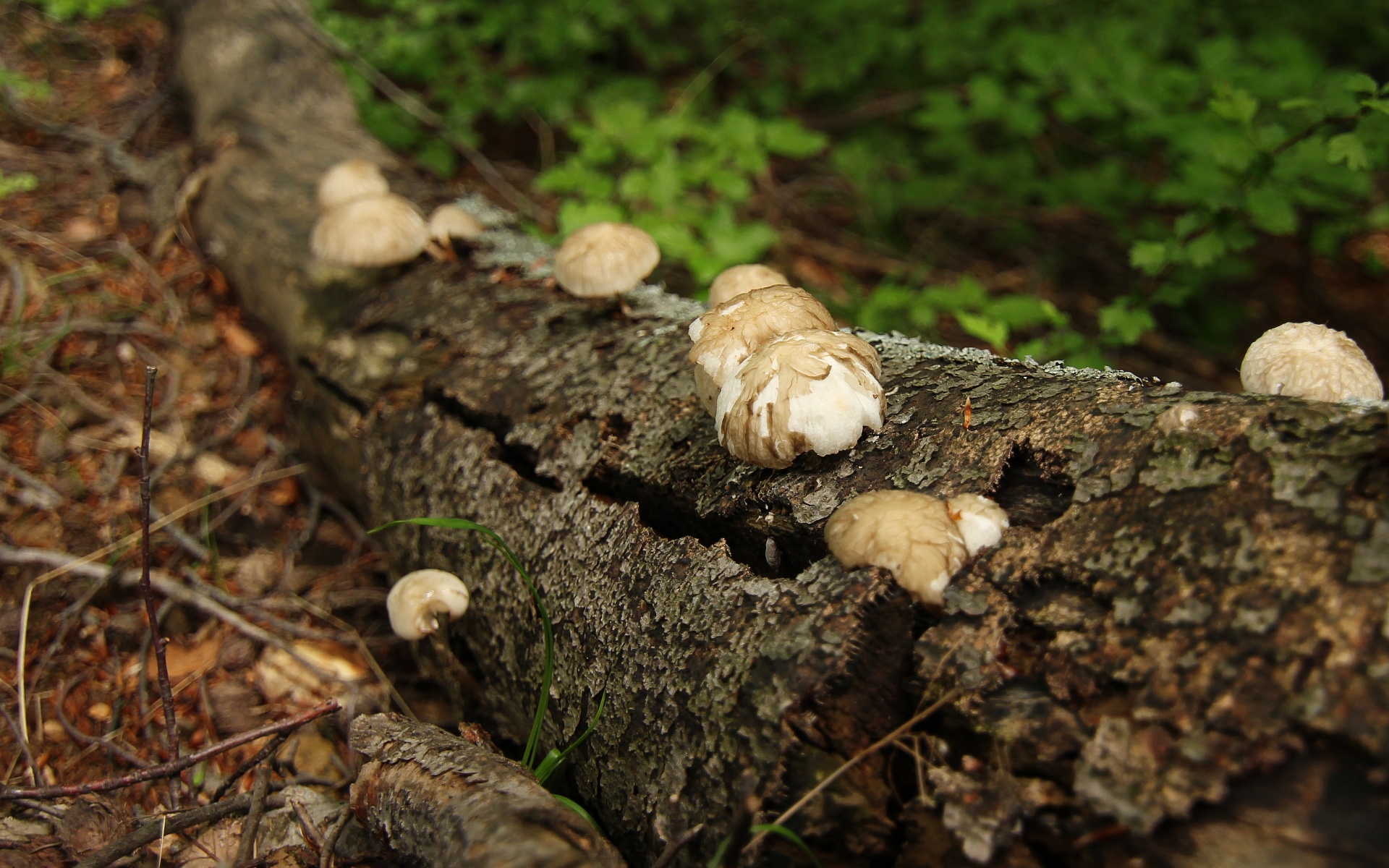
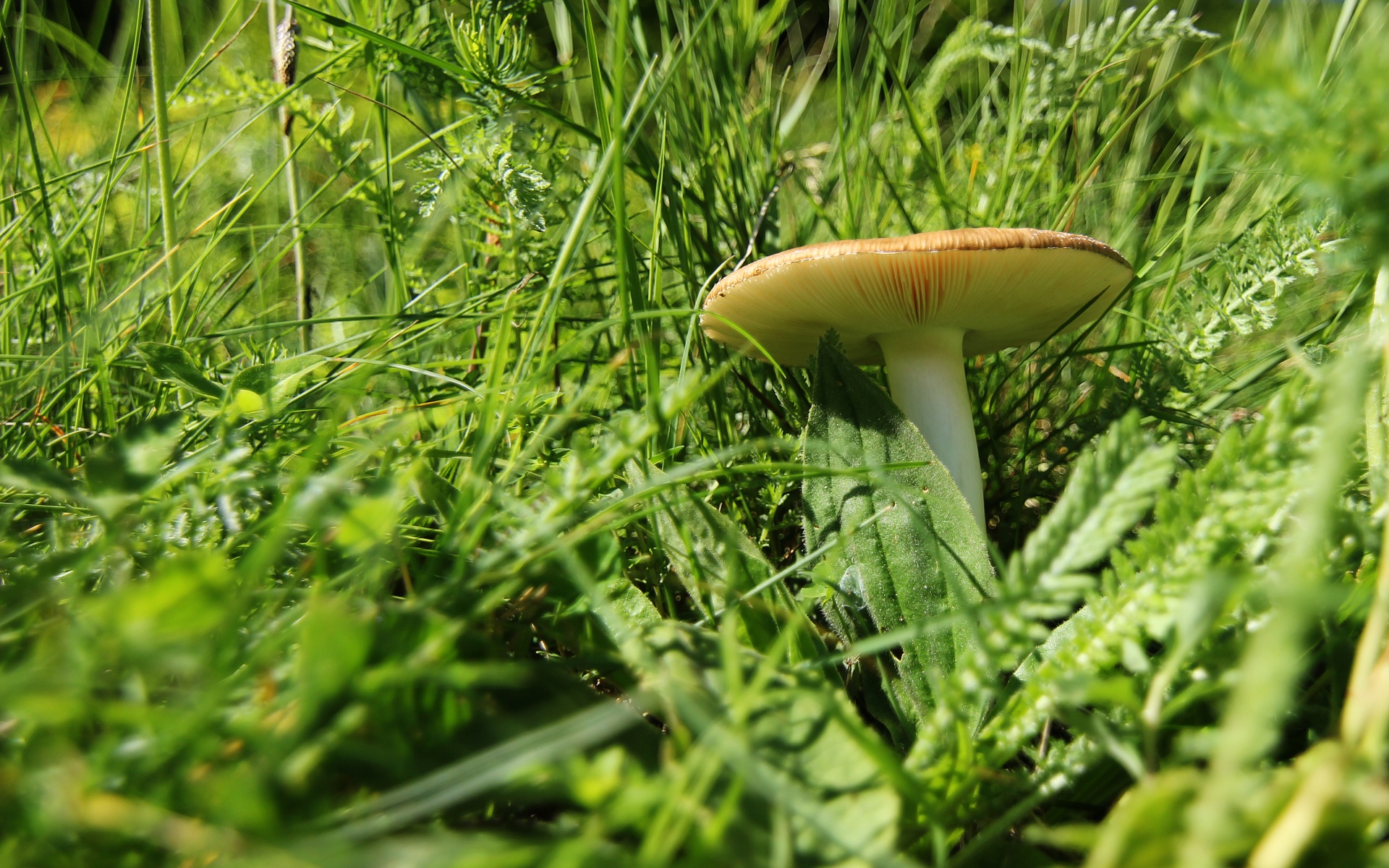
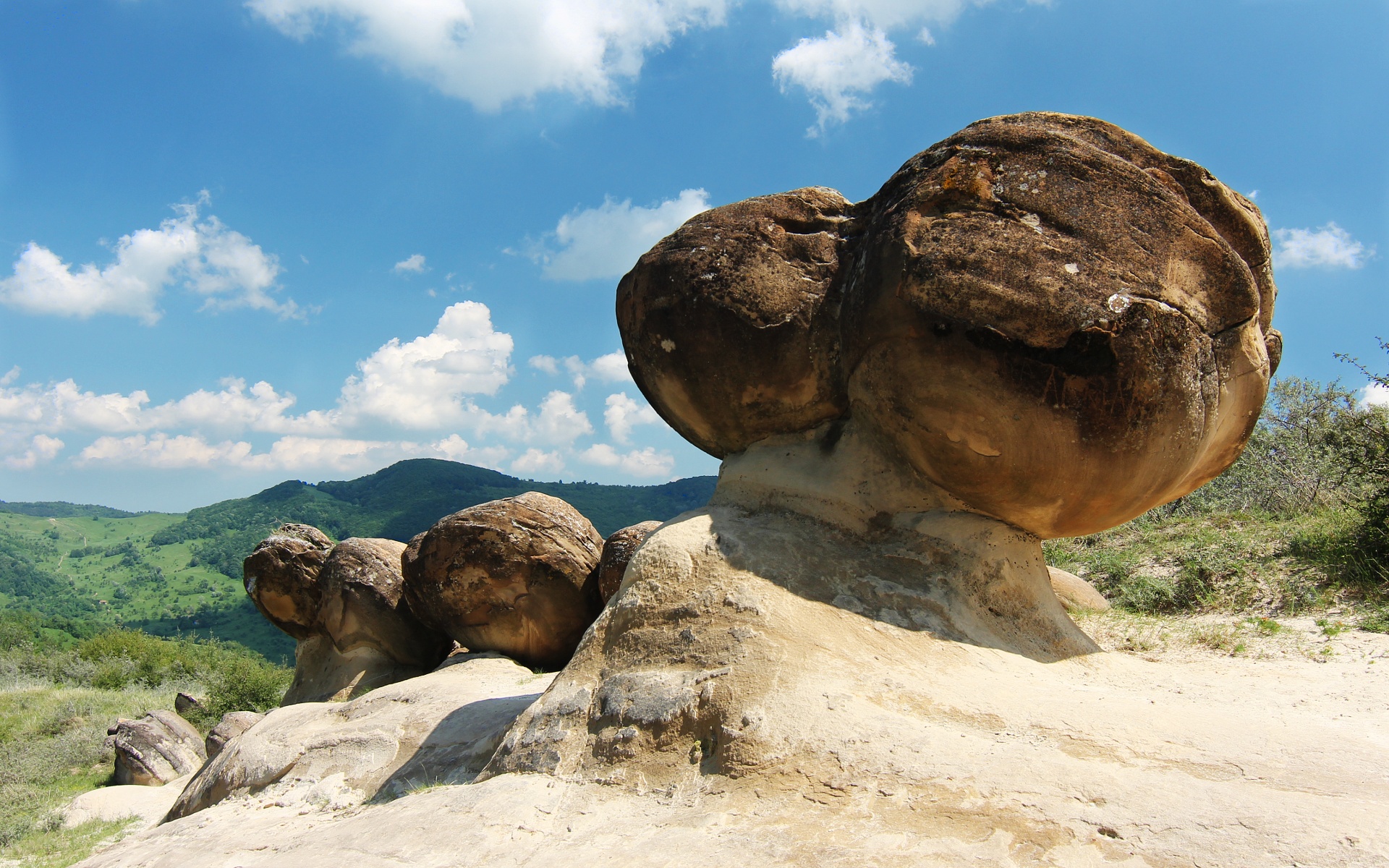
When everything looks doom and gloom in the Free Software world is time to remember there is life beyond it, like the last week-end when I had the chance to explore a magic land full of stories and legend, but also beautiful sceneries. I returned from there with a lot of pictures to send later for Wiki Loves Monuments (I am busy these days making the contest work, with sponsors, trademarks and such), but also with beautiful images to share as Free wallpapers. Enjoy.

wallpaper
wallpaper
wallpaper
wallpaper
wallpaper
wallpaper
wallpaper
wallpaper

Less freedom is no freedom

I wanted to write about the Linux boot and UEFI from a while now, but I figured out is better to learn first more about the issue and take a deep breath before taking a position. In the meantime, many faces of the debate were talked in various places, so I think I have a better grasp.

From the beginning, when people started talking about Secure Boot some warned about the treat to Free Software, but they were pretty much dismissed by many as a bunch of hippies following the smelly RMS, we'll surely find a way around when will get to it. Now, after mjg wrote a long technical pieces about the struggles of making Fedora boot on UEFI with Secure Boot enabled, we can the alarmists were right and Microsoft managed to give a fatal blow to Free Software on the desktop with the help of many hardware manufacturers.

The problem is Free Software won't be able to co-exist with Windows and keep its freedom, people will have to make the choice: break-up totally with Windows (really hard in the computing landscape of today) or give away one of the fundamental freedoms granted by GPL (modify and distribute the software). Sure, this is not a problem in the server world, where you can safely turn Secure Boot off and live happily (boot malware does not affect Linux) as this is not a problem in the enterprise desktop in the places where the game is Linux-only. It is a problem in the hobbyist space, where people play with different stuff all the time and is a problem with adoption, when new potential users will have their computers locked to Windows. It is also not a Linux problem, is a Free Software problem, if you give away freedoms, you can still run Linux.

I can see how people wanting to run Linux and Windows 8 (let aside me not understanding why anyone would want to use Windows 8, it's a turd, from the same category with GNOME Shell, a tabled interface shoehorned into a desktop) will enter BIOS(UEFI) at every boot and change the Secure Boot flag according with the OS they are going to start (time wasting and annoying). And you will have to turn it off, don't expect things like drivers or kernel modules from RPM fusion or similar sources to receive certificates, after all they distribute software with legal restrictions in the US, the home of the certification authority.

So short term disable Secure Boot, keep Windows 7 if you have to dual boot, put your own keys inside BIOS(UEFI), pay, there seem to be some solutions. How about long term? I expect "pirates" will crack Windows 8 anyway and make it boot without Secure Boot. Then, in one or two releases Microsoft will change the logo specifications, Secure Boot will be mandatory with no BIOS option to turn it off - we must defend ourselves from evil pirates and malware writers and over 90% of the computers, "designed for Windows", will be unable to run a Free Software operating system (Linux desktop is busy chasing windmills with user interface experiments, so it won't gain significant market share).

My prevision is even more grim: by that time Windows will move to allowing installs only from the "app store" and Free Software applications will be out (remember, apps like Firefox, LibreOffice or even GIMP have the bulk of the users on Windows). By that time Free Software will be dead and buried, wanting a Microsoft alternative we will have the choice of Google Chrome with everything in the "cloud".

Quite negative so far, right? There should be a solution I see... yes, I think the Free Software world should refuse Microsoft's proposal for Secure Boot. Some FOSS developers argue having a secure boot process can be a good thing, while they may be right, here is not the case, Microsoft proposal is broken by design, we should not endorse it, join the opposition and get the anti-trust regulators to make something, all while teaching people how to change BIOS settings and generate and install own keys. I don't see any important player endorsing the FSF petition: Fedora is not there, Red Hat is not there, Debian is not there, Canonical is not there, Ubuntu is not there, Mint is not there... not any distro is there. And this is a bad thing.

23 February 2012

About ACTA

I am not sure how it happened, but while I was away, somehow the Romanian society got interested in ACTA and the topic became hot and trendy, trendy enough to rally all hipsters in a try to "save the Internet". Which is not a bad thing, the Internet is in big need for more freedom and protection. You see the topic on the news, magazines and TV, people talk about it... so yesterday evening a magazine organized a debate at a fancy cafés "ACTA and the Internet. The end or the beginning of an era?"

ACTA
It was a high-level debate, having as guests a jurist, Bogdan Manolea, a philosopher, Constantin Vică and a jazzman, Mihai Iordache. The moderator, the magazine's editor-in-chief, Mircea Vasilescu, unable to find an ACTA supporter for a balanced debate, had to play the "devil advocate" and try to heat the discussion, otherwise everybody, speakers and audience, would have slammed ACTA. Tot that slamming ACTA is undeserved :)
ACTA
There were a bit over 50 people in the audience, some press, video recording, so I expect it to get echoed. The topic moved from ACTA to copyright in general and freedom on the Interned, with some nuances: the musician having some interests in copyright revenues, the lawyer having sympathy for (not-software) patents in some cases and the philosopher being the most radical, and probably closer to my own point of view. It was mostly about artists, but at the end it touched a bit the pharmaceutics industry, which everyone agreed is a bigger evil, deserving a separate talk.
ACTA

19 January 2012

SOPA for non-Americans

Yesterday was the strike day against SOPA and PIPA and I tried to do my part: blacked-out my blogs, put related content on various places, shared link, informing. Many people seemed to understand the issue, but not everybody. Below is an excerpt from a comment (translation is mine) by someone in Romania, a person with IT and FOSS background, this make the quote even more relevant (I saw similar reaction on other tech sites):

I don't understand... SOPA is an American law, right? passed by their shitty Congress, right? how it affect me? how will affect Europe an American law? we aren't Americans so we don't have to obey their laws... what's the deal with this shit? Google and others can move their servers in Asia or Europe and... done... as Obama failed with Google and HP which moved to Ireland for lower taxes...[...]
Back to the initial question... SOPA is an American law, it will affect them.... not me... I am not American... and I don't ever want to be... European countries don't need to obey American laws... as they, in fact do... they don't obey... If the big companies want to keep up any site with piracy of any kind... they only have to host it in Russia :))... SOPA filters will be made in USA, not in our country...
You will say our routes pass there... so what? it takes 30 seconds to change some server routes on your workstation... and 1-2 hours for them to propagate... If USA want to do that, they can do it...

Some points from my reply:

  • US corporations won't move, they will stay and obey the law and even if they move servers elsewhere, they still have to obey the law, since they want to make business in the US
  • the case about moving in Ireland is different: it was for taxes, not to produce illegal things
  • SOPA filters will fork in such way that an European website may get blocked for people in USA
  • the American government has control over the root DNS filters and there the blocking will happen, the world would have to switch to an alternate DNS system
  • once it happens, other countries will follow with their own censorship laws, European countries are eager to do it, as demonstrated with TPB
  • "free Dmitry": you may get arrested even if you do something legal in your country.

fedora and sopa

For such reasons the Romanian Fedora community participated in the campaign with a notice about the Fedora's stance against censorship (not a full blackout as with my personal blogs, since neither the international project went for a total blackout). From my part, I would have preferred Fedora to go to a full blackout, like Mozilla, Wikipedia or openSUSE, I am disappointed by Red Hat having a stance so weak, it was not even mentioned on their own opensource.com and I am unhappy with Fedora stuck in bureaucracy and not being able to produce in due time an official statement I can link to in the news item.

Hopefully I will make your day better with shining examples from TheOatmeal, Playboy and FightingInternet.

18 January 2012

13 January 2012

Fedora and SOPA

USA Congress is going to debate and, as the current signs say, approve SOPA and Internet censorship on January 24. Trying to prevent this, a number of online entities are planning an awareness campaign on January 18, ranging from entire blackout of websites (to show the public the expected effects of the law) to mere informational banners and interstitials.

Would Fedora join them? I have little faith it will happen, but we are going to be affected, the project is USA based and was affected in the past (look at multimedia support, audio and video codecs as an example), the main sponsor is also an USA corporation. As a community Fedora is relying user-generated content, and SOPA will block user-generated content, imagine a Fedora with no wiki, no planet blog aggregator, no web archived mailing lists, not even Bugzilla or Koji. Would that be of any use for you? (and don't imagine the project won't be affected, it won't move servers outside USA, it won't change sponsors, it will obey the USA law).

How about other FOSS projects, we are all pretty much in the same boat?

From my party, my own blogs will turn black on January 18.

25 November 2011

Open letter to the Romanian Ministry for Culture and Patrimony

A group of organisations and interested persons from Romania are addressing an open letter to the Romanian Ministry for Culture and Patrimony about the Romanian cultural patrimony on the Internet, which can be published at Europeana.eu, where our country was to submit 789,000 works until 2015 and currently has managed to publish less than 36,000. We ask about the status of this project and propose the use of the images contributed in the recent Romanian Wikipedia photography contest. The full text can be read on the ProLinux website or in printable format (along with the signatures list) from the APTI blog.

07 November 2011

Freeloading

I do release a lot of content, from drawings and clipart to photography and to videos and learned about many people using them, this always brings a smile on my face. But it can be otherwise :) Today I got a question about some of my clipart being used on some website, but with a twist: I am asked if credit is needed, as in such case the site owner has to adjust the layout to fit it, needing to think about that. My answer was dry "Since those clipart images are released into Public Domain, crediting is not compulsory, that's the license. Is up to you." opposed to an usual "the images are released into the Public Domain, you can use them in any way you want. credit is not required but is appreciated". Indeed, I released the stuff freely, no restriction can be imposed afterwards. But I can contemplate the laziness and freeloading. And smile.

28 October 2011

Welcome to the Revolution, baby!

The article is in French, so not that easy to understand by everyone, but some group, called "Union des Photographers Professionnels" are opposing the Wiki Loves Monuments photography contest. Why such a stupid thing? Below is a translation of the relevant paragraphs by strainu:

"Presented as a philanthropic operation, this initiative looks more like a commercial action. Indeed, the participation is conditioned by the acceptance of a CC license allowing the commercial reuse of the pictures.

Private or public entities can therefore use this pictures legally as postcards, posters, books or as illustrations in the press.

The professional photographers living from the copyrights are worried by this initiative [...]"

Newsflash! That is the point, Freedom is about empowering people and changing the system, it obsoletes some structures and creates some others instead. We are not any more in the old world, when a photographer, of an artist in general, was like a god, now people have tools and access to distribution channels and participate directly in the creation of the culture, without money barriers and monopolies. I am glad to pe part of this.

03 June 2011

YouTube and CC: a baby step in the right direction

I wanted this feature forever, since I started uploaded stuff on YouTube, the ability to license them under CreativeCommons terms and today it was at last added. Have I already relicnesed my videos? Not yet... why? for the same reason I call it a "baby step", only CC-BY can be used, CC-BY-SA is not available. Still, I have hope for it, looking at the comments on the announcement, most people ask for two things: mass re-license and CC-BY-SA, pretty much what I expect too before taking this step. I asked for the feature too, I invite my readers to do the same.

youtube cc license