26 March 2012

The power of the network efect, a story about RAR

I am a Linux geek and I am surrounded by geeks, but I also live in the real world: I may not see 99% of computers running Windows, it may be around 90% (approximate numbers pulled directly from my ass) so I still have a sane look of the computing world. And one of the aspects of this world that made me think was the omnipresence of WinRAR on the computers around, it is close to 99% of the desktops and laptops with Windows (again, anecdotal from Romania), to the point where all the computers I encounter have WinRAR - I usually uninstall it and put 7-Zip instead, able to open .rar, archives to open and create .zip, Free Software... When I happen to install a Windows, I put 7-Zip right from the start. And sometime it happens to see WinRar added back...

I gave this some thought, what's the reason for WinRAR's omnipresence and I concluded it the network effect: RAR was used a lot for warez, it was popular for its compression rate (a bit better than Zip) and the ability to make volumes (the warez was packed in floppy-disc sized volumes). So a lot of people needed at some point a .rar unarchiver, they went with the first hit from search engines: WinRAR, which once installed put itself as the default, making all future archives produced from that computer in .rar format. The archives were shared, resulting in other people needing and unachiver, other WinRAR installs, defaults and more files sent that way.

Today we have broadband connections, fast internet and large storage, most of the files we send are lossy compressed (jpeg, mp3) and it make little sense to compress them further (practically no space is saved) but it is still convenient, is way easier to send one file, the archive, instead of many - think for example how many clicks would be needed to attach them in a webmail interface.

Of course, it also helped WinRAR was nagware: a full functional copy could be downloaded at no cost, it (I don't know about today, never used it for years, I am just uninstalling it) used to have a nag window, asking to pay or press one more button (IIRC), so people were not pirating it and had no reason to feel bad.

Having in mind those thoughts about RAR and its network effect, I noticed this morning an article about how Live Messenger is censoring links, IM is another case of network effects, and here in my country Yahoo has a monopoly on that (I talked about it before). Still, there are a few dents in Yahoo's monopoly, made by the Facebook chat (we geeks with Jabber and/or GTalk are an insignificant minority).

Distro naming and an opportunity to learn

There is an ongoing debate on the advisory board list about the naming of Fedora releases, it started from a ticked for the Board (not public) where, as I understand, complained about "Beefy Miracle" connotations in some cultures (cattle slaughtering). This sparkled a discussion about the purpose and meaning of release names in general, if the tradition is to be abolished, continued or changed and such.

I wish we had a more relaxed community, where people have fun and feel good, don't get easily offended. For example if the Beefy Miracle successor happens to receive an Indian food name, as there are some proposals, I would like people from Western cultures not complain about it being "obscure" but get the opportunity to learn, maybe have some of our Indian contributors putting up tutorials about making that dish and some of us trying them, why not?

PS: this opinion is not related to my Indian experience, I would say the same about any "exotic" alternative.

21 March 2012

Tom's Gnome

The other day I had some intense graphic work, paying a lot of attention in Inkscape to drawing details, so a bit of relax was much needed, then I noticed a message posted to the Fedora marketing mailing list about some yet another distro review, I usually don't read those but as I said above, was tired, needed some light activity already had the daily 9GAG dose, so away with the reading :)

It was a Fedora 16 and GNOME Shell "test and review" on Tom's Hardware. Normally I would stop here, but the first paragraph (in bold) caught my attention (and, remember, I was in need for some light activity):

"Ubuntu and Mint don't want it; Linus called it an “unholy mess.” While most other distros are passing up or postponing GNOME Shell, Fedora is full steam ahead. Does Red Hat know something the rest of us don't? Or is GNOME 3 really as bad as everyone says?"

OK, so it is a piece about Fedora and GNOME Shell, as seen from the eyes of someone in the Ubuntu camp (according to the author, they sometime cover Ubuntu, no other distro so far, but want to expand the area of coverage). With this bias in mind, I can proceed to reading, but read it as you "read" those articles on hardware review websites: the first page, jump over the million of "tests" on separate pages, made for ads impressions, straight to the conclusion were I see this gem (with which I agree wholeheartedly:

"The only thing really wrong with Fedora 16 is the choice of GNOME 3 as its default desktop environment. This distribution is for the people who make Linux, not for the Win/Mac converts. GNOME Shell is most obviously intended for the uninitiated masses, not the developers. Putting aside any gripes we may have with it, from it's very inception, GNOME 3 simply wasn't the right fit for Fedora."

Then it goes on wipping the floor with the desktop, and rightfully so. Then comes the solutions part, where I find myself in disagreement, as the author talk about a monster resulting from the combination of GNOME Shell and Unity, complete with mockups.

09 March 2012

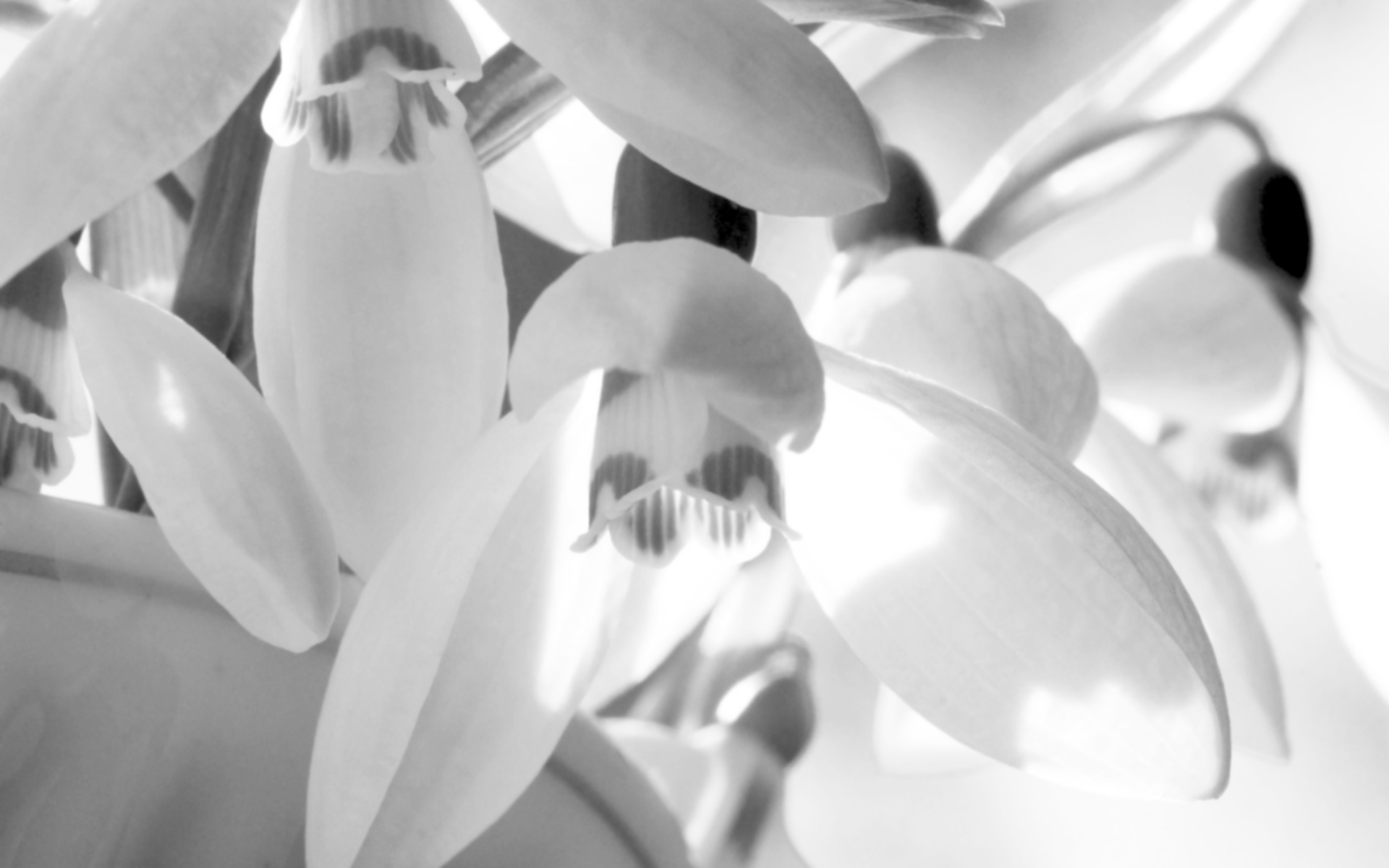
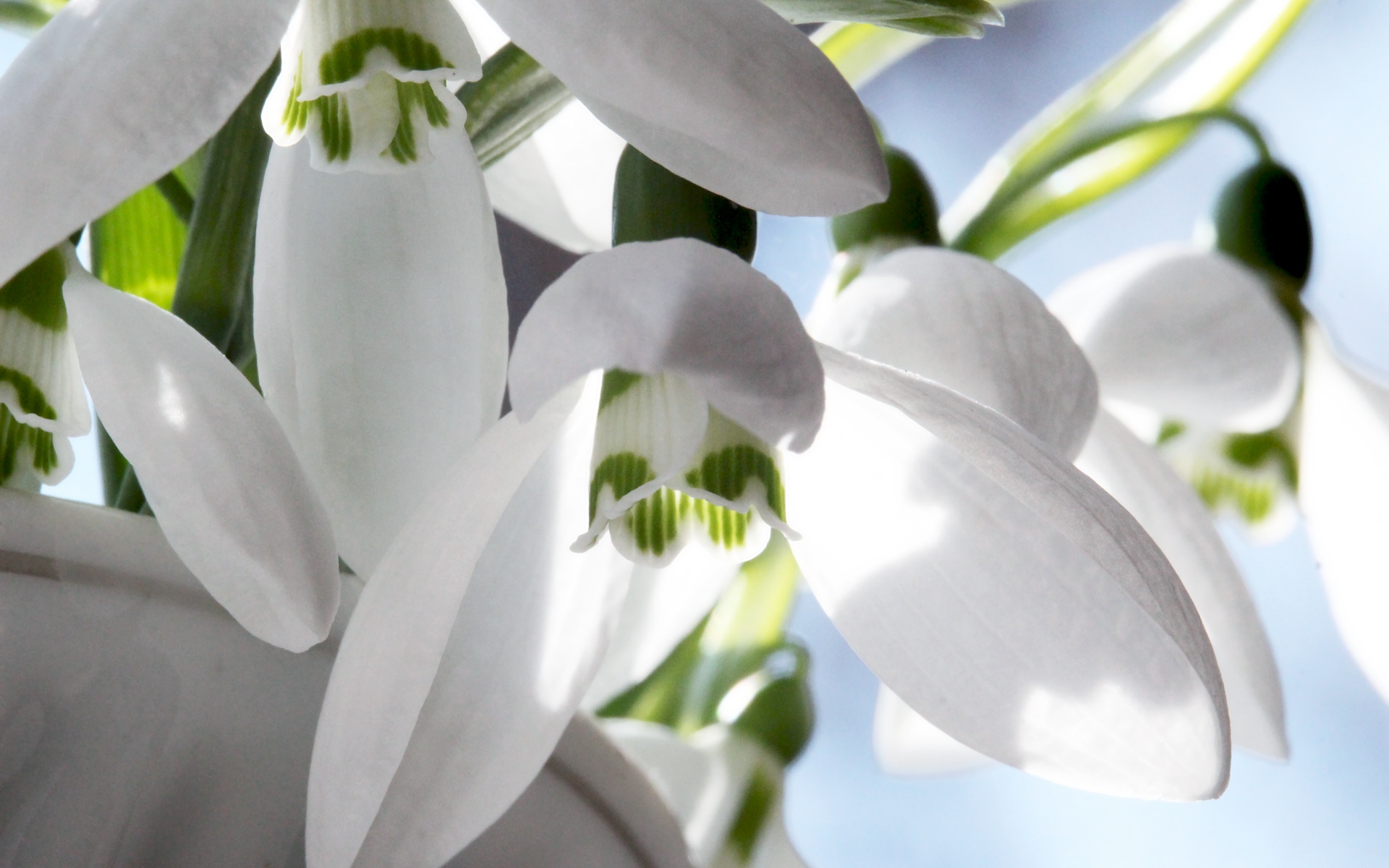
Snowdrops wallpaper

A friend of mine (anecdote: she's a programmer at Microsoft) asked me for a larger-size version of this image, quote "not facebook quality" to use as a wallpaper. So if I optimized the image, I figured it make sense to share this snowdrops wallpaper with everyone. CC-BY-SA, of course :)

spring wallpaper

Maybe a softer, black-and-white version works to? (I usually prefer full-color):

pring wallpaper

08 March 2012

On Zombies and Desktops

I know Bruce Byfield as a good journalist, when I see an article is written by him I usually make the time, read it and most of the time agree with it (not 100%, I am a human, not a sheep). I think I even quoted his articles as good examples on occasion. This is why I am surprised to see such a bad piece, where he is wrong on all accounts, maybe because the article titled The GNOME 2 Zombie addresses a topic I happen to know some, I am able to judge better the text quality?

Anyway, that is yet another piece about the GNOME debate, this time with a new angle: GNOME 2 is dead and buried, still its users want it alive, as Bruce says, a zombie. Then the author tries to investigate why some people like the GNOME 2 interface and makes the effort to demolish all their arguments. And, in my opinion, he utterly fails. He identifies 7 sins about he argues are capital and should make people hate GNOME 2 instead of loving it. Here it goes:

Tools No One Wants to Use

Here are a number of examples: Epiphany, Evolution, Abiword and Gnumeric, which are GNOME applications, he say, included by default by some distros, he says, and used/wanted by virtually nobody, he says. Where should I begin? OK, the first thing that struck me was Bruce saying "For instance, Epiphany is a Mozilla-based browser with fewer features than Firefox" which shows how little research was made before writing this - Epiphany changed from Gecko to WebKit years ago, if the rest is equally researched should I continue reading? I read, since I trust Bruce.

I use Fedora and Epiphany was never a default, the distro always had Firefox as the default (many others did the same), still I kept Epiphany as a backup browser, along with Seamonkey: useful when you need multiple profiles on the same website at the same time. Evolution? I always preferred Thunderbird, but I know plenty of people using Evolution, which is more integrated. As for Abiword or Gnumeric, when they were a default this happened on the live CD, where there was just not enough space for a full OpenOffice.org/LibreOffice.

And, last, I suspect Epiphany and Evolution are defaults in GNOME 3 too, so what's the point?

The Applications / Places / System Menu

This is a diatribe against the menu system "GNOME 2's three-part menu might be called its main identifying feature. No installation is without it. Yet, for all its omnipresence, it's irritating to use." It is pretty much a personal opinion and one made by an author who started by acknowledging he is a full time user of a different desktop environment, KDE, so biased. What can I say here? Of course other people, those who prefer GNOME 2 thins it is an easy to use feature, not an irritating one. For me, using it is a reflex.

The Classic Menu

Another diatribe, this time against the Applications menu "An extreme example of this problem is the infamous Debian menu, which may list everything installed on the system, but also goes at least five levels deep." A sane distro and an average install won't have something close to that. Yes, sometime I may have to vertically scroll the menu on the small display of my netbook, but I found this preferable to the small and fixed-sized start menu in Windows 7 or KDE, where you have to flip page after page before reaching what you need.

The Stagnation of Applets

This time he start by being right, in the last GNOME 2 iterations, applets became less and less useful. What Bruce misses is this was a deliberate move of the GNOME 3 developers for the transition, so if there is something at fault, is not GNOME 2, but GNOME 3. Users will definitely prefer the applets in GNOME 2.28 rather 2.32.

As a reminder of the bias, we are served a comparison with the KDE widgets. Thank you, we were aware about that :)

Controlling the desktop from the file manager

The author find awkward to control the behaviour of the desktop (icons, trash, external media) from the file manager, preferring a separate System menu item (after he complained in the previous items about the menus' length). And he wonders "Exactly why the arrangement made sense to developers in the early years of the millennium has never been clear to me." I guess it make sense to have them this way when you have checked the option to use the file manager to handle the desktop. And is not like to change this setting multiple times a day. Is something minor.

Useless Default Icons

Having the Computer and Home icons on the desktop are not the fault of the GNOME desktop, is getting users what they are used to have since... Window 95. And it does not takes more than a couple of clicks in TweakUI to remove them. This issue is filler, totally minor, put here just to increase the sins count to 7. Myself, I removed the Computer icon from the desktop but still have Home, is one click faster than going to Places.

Over-Simplified Designs

This starts with the strawman of Linux Torvalds criticising GNOME 2 for lack of features years ago (after which Linus moved to use GNOME himself, after which he moved to the even lighter Xfce) and then goes to compare applications from GNOME and KDE and find GNOME apps missing features. This is yet another strawman: if an app is light in features in GNOME 2, it will be light on features on GNOME 3, so is not a reason not to miss GNOME 2 in GNOME 3.

There are a few examples, I will pick one: Brasero versus K3B and at first I will agree, K3B has many more features than the default GNOME solution, years ago I used myself K3B as the CD burner on my GNOME desktop, but since those years I didn't feel the need... a feature I have not used in 3-4 years I would call unimportant. And if I need the advanced functionality, I can just install the app - this is what I do for video editing, not happy with the GTK+ alternatives, my video editor of choice is Kdenlive, I may not enjoy the sight of QT widgets, but is more important to get the job done.

As for the conclusion... I don't understand what is the conclusion: GNOME 2 is dead and won't come back, GNOME 3 sucks due to its wrong design decision, forks as Cinnamon are weak and not long term solution, then... what to do? Probably move to Xfce or KDE, but Bruce forgot about this as a final conclusion.

As for the comments, there surely are people attacking the author for unknowingly criticise a desktop that he's not using himself, people appreciating the GNOME 2 menus and applets, people who notice some of the flaws in argumentation I mentioned before, but I find the most insightful what the reader Andy says: "You have focussed on small issues, ignoring the Big Picture. People are trying to keep hold on the Icons On Desktop metaphor, with Overlapping Windows, minimise/maximise etc. That's what there's a curious and unwanted shift away from recently, with Unity, Gnome 3 and Win 8 - and we don't like it!"

23 February 2012

About ACTA

I am not sure how it happened, but while I was away, somehow the Romanian society got interested in ACTA and the topic became hot and trendy, trendy enough to rally all hipsters in a try to "save the Internet". Which is not a bad thing, the Internet is in big need for more freedom and protection. You see the topic on the news, magazines and TV, people talk about it... so yesterday evening a magazine organized a debate at a fancy cafés "ACTA and the Internet. The end or the beginning of an era?"

ACTA
It was a high-level debate, having as guests a jurist, Bogdan Manolea, a philosopher, Constantin Vică and a jazzman, Mihai Iordache. The moderator, the magazine's editor-in-chief, Mircea Vasilescu, unable to find an ACTA supporter for a balanced debate, had to play the "devil advocate" and try to heat the discussion, otherwise everybody, speakers and audience, would have slammed ACTA. Tot that slamming ACTA is undeserved :)
ACTA
There were a bit over 50 people in the audience, some press, video recording, so I expect it to get echoed. The topic moved from ACTA to copyright in general and freedom on the Interned, with some nuances: the musician having some interests in copyright revenues, the lawyer having sympathy for (not-software) patents in some cases and the philosopher being the most radical, and probably closer to my own point of view. It was mostly about artists, but at the end it touched a bit the pharmaceutics industry, which everyone agreed is a bigger evil, deserving a separate talk.
ACTA

17 February 2012

FOSDEM 2012 photo dump

fosdem 2012
After a couple weeks on the road I had my hands full, but I am recovering and cleaning the queue, so now is the time to to what I usually do after every FOSS event I attend: dump a lot of photos, unedited, in a simple web gallery, so anyone can use them freely (CC-BY-SA). The photos from FOSDEM 2012 are up.
This thime the Fedora group booth was weak and the group... heterogeneous, barely acting as a group, so for the big finale we didn't even get a group picture, the best finale I can offer is this sunset from the last conference day (as you expect, many of the geeks there didn't noticed it).
fosdem 2012

05 February 2012

On why GNOME got to suck so badly

Below are a few snaps from a FOSDEM presentation by GNOME's Allan and Seif about "how to trick a developer to being a designer":

gnome fosdem
gnome fosdem
gnome fosdem
gnome fosdem
gnome fosdem
gnome fosdem
gnome fosdem
So no wonder GNOME got to suck so badly and more and more people fondly remember the "good old days" when software used to be made by engineers and get your job done.

Contributor communities @FOSDEM

Right now I am sitting in the room 1301 of the H building of the ULB at FOSDEM 2012 and watching the Working with contributor communities round table, which is moderated by Cristoph, which tries to be as impartial as possible:

lgm @fosdem

On behalf of Fedora (other represented distros are, from left to right, Ubuntu, openSUSE, Debian, Mageia and Gentoo I believe) we have Joerg speaking:

lgm @fosdem

LGM @FOSDEM 2012

Yesterday evening, after the first day of FOSDEM, there was the dinner of the Libre Graphics people, talking about the upcoming conference in May in Vienna but not only, mostly having fun and catching-up:

lgm @fosdem
lgm @fosdem

FOSDEM fanservice

I got a couple of personal requests, so I cannot disappoint my fans, fulfilling their inquiries now. One was for a picture of the official FOSDEM T-shirt design for this year (this is a tradition for the conference, to come every year with a completely new design):

fosdem

The other one was for a photo of the Debian booth, which happens to be this year one of the busiest, being fillet with a lot of merchandise, mostly nice T-shirts. Too bad I don't see the Debian wine any more...

fosdem

And being a nasty person, I will complete the circle with a picture of the wasteland at our own Fedora booth:

fosdem

04 February 2012

FOSDEM 2012

After many adventures in snow and very cold weather (an about 5 hours delayed flight) I managed to finally reach a frozen Brussels yesterday late in the evening:

fosdem 2012
Due to the unexpected delay, I missed the FAD and the traditional Drug Opera dinner, but at least got to the even more traditional (and important?) beer event at Delirium Cafe, making the first contact with the Fedora gang and many others:
fosdem 2012
Today morning everybody goes to ULB for the FOSDEM conference:
fosdem 2012
The Fedora team is, of course, here, preparing the booth. You can find us in the new K building, along with many other projects, like FSF, Mozilla, CentOS, Debian, openSUSE, Mageia, to mention a few:
fosdem 2012
And the conference started, time for me to stop blogging and go meeting people, roam around, do things:
fosdem 2012

23 January 2012

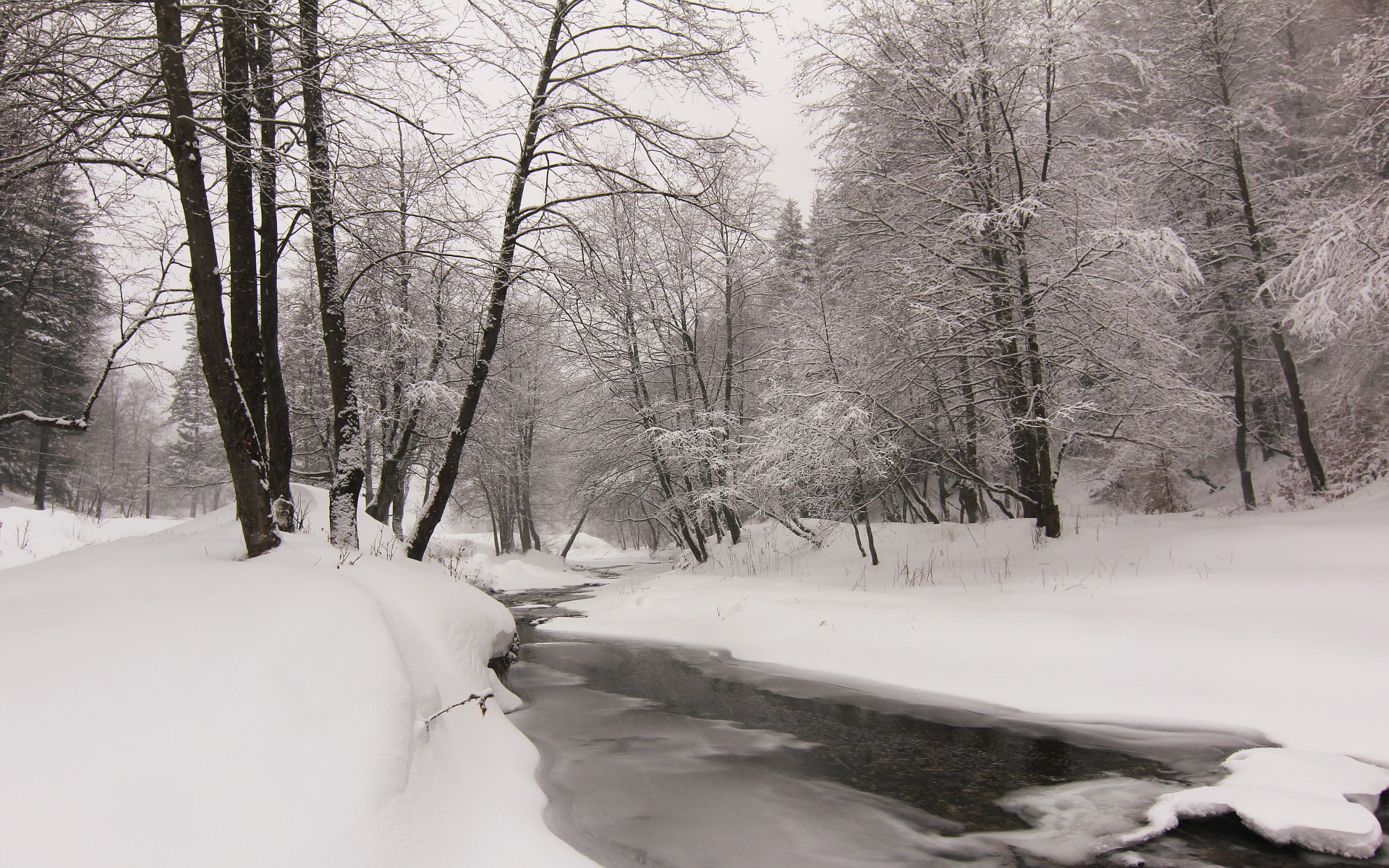
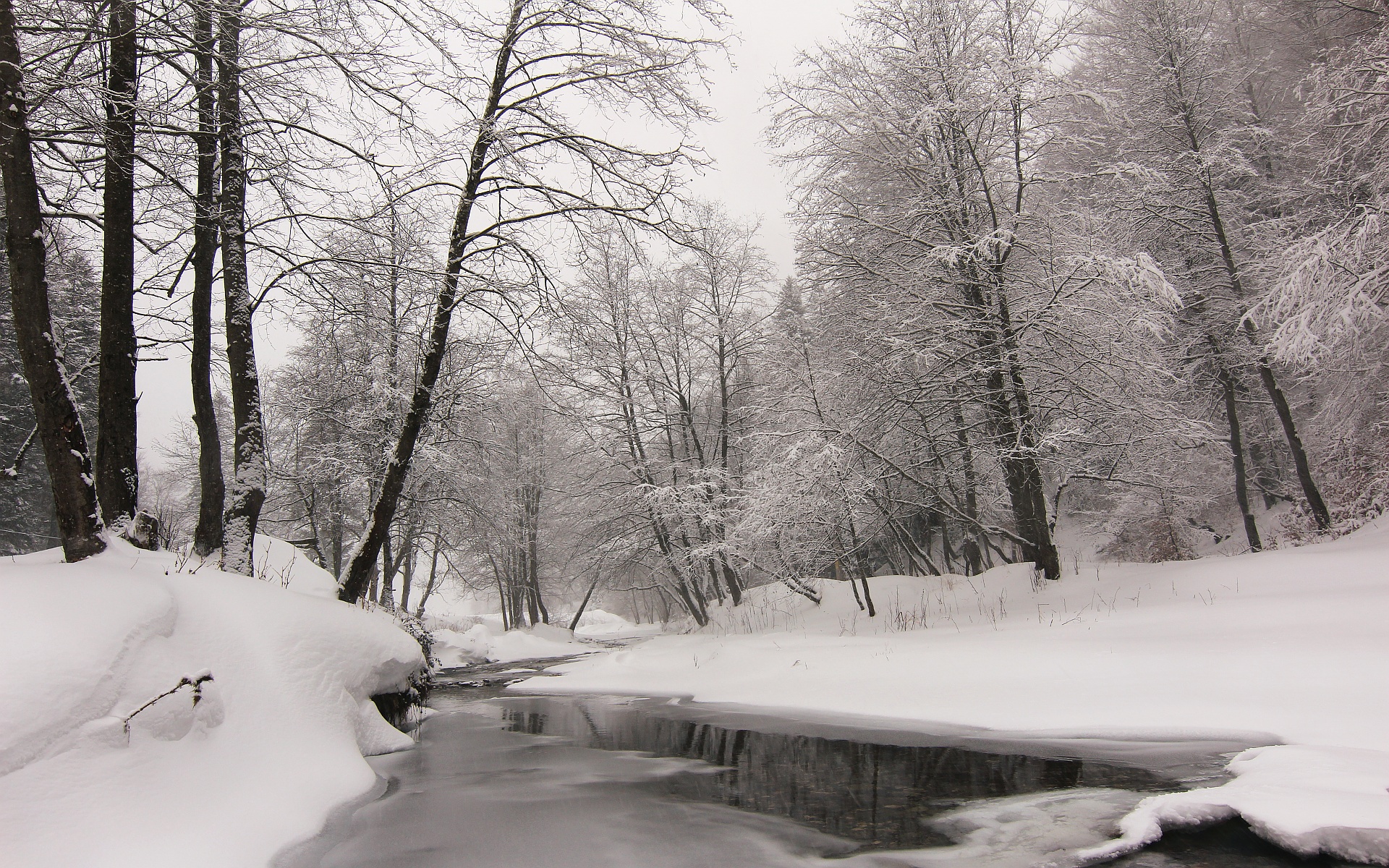
Winter wallpapers

Some more freely licensed wallpaper sized photos (wide), this time with a winter theme, use as you want:

winter wallpaper
winter wallpaper
winter wallpaper

19 January 2012

SOPA for non-Americans

Yesterday was the strike day against SOPA and PIPA and I tried to do my part: blacked-out my blogs, put related content on various places, shared link, informing. Many people seemed to understand the issue, but not everybody. Below is an excerpt from a comment (translation is mine) by someone in Romania, a person with IT and FOSS background, this make the quote even more relevant (I saw similar reaction on other tech sites):

I don't understand... SOPA is an American law, right? passed by their shitty Congress, right? how it affect me? how will affect Europe an American law? we aren't Americans so we don't have to obey their laws... what's the deal with this shit? Google and others can move their servers in Asia or Europe and... done... as Obama failed with Google and HP which moved to Ireland for lower taxes...[...]
Back to the initial question... SOPA is an American law, it will affect them.... not me... I am not American... and I don't ever want to be... European countries don't need to obey American laws... as they, in fact do... they don't obey... If the big companies want to keep up any site with piracy of any kind... they only have to host it in Russia :))... SOPA filters will be made in USA, not in our country...
You will say our routes pass there... so what? it takes 30 seconds to change some server routes on your workstation... and 1-2 hours for them to propagate... If USA want to do that, they can do it...

Some points from my reply:

  • US corporations won't move, they will stay and obey the law and even if they move servers elsewhere, they still have to obey the law, since they want to make business in the US
  • the case about moving in Ireland is different: it was for taxes, not to produce illegal things
  • SOPA filters will fork in such way that an European website may get blocked for people in USA
  • the American government has control over the root DNS filters and there the blocking will happen, the world would have to switch to an alternate DNS system
  • once it happens, other countries will follow with their own censorship laws, European countries are eager to do it, as demonstrated with TPB
  • "free Dmitry": you may get arrested even if you do something legal in your country.

fedora and sopa

For such reasons the Romanian Fedora community participated in the campaign with a notice about the Fedora's stance against censorship (not a full blackout as with my personal blogs, since neither the international project went for a total blackout). From my part, I would have preferred Fedora to go to a full blackout, like Mozilla, Wikipedia or openSUSE, I am disappointed by Red Hat having a stance so weak, it was not even mentioned on their own opensource.com and I am unhappy with Fedora stuck in bureaucracy and not being able to produce in due time an official statement I can link to in the news item.

Hopefully I will make your day better with shining examples from TheOatmeal, Playboy and FightingInternet.

18 January 2012

13 January 2012

Fedora and SOPA

USA Congress is going to debate and, as the current signs say, approve SOPA and Internet censorship on January 24. Trying to prevent this, a number of online entities are planning an awareness campaign on January 18, ranging from entire blackout of websites (to show the public the expected effects of the law) to mere informational banners and interstitials.

Would Fedora join them? I have little faith it will happen, but we are going to be affected, the project is USA based and was affected in the past (look at multimedia support, audio and video codecs as an example), the main sponsor is also an USA corporation. As a community Fedora is relying user-generated content, and SOPA will block user-generated content, imagine a Fedora with no wiki, no planet blog aggregator, no web archived mailing lists, not even Bugzilla or Koji. Would that be of any use for you? (and don't imagine the project won't be affected, it won't move servers outside USA, it won't change sponsors, it will obey the USA law).

How about other FOSS projects, we are all pretty much in the same boat?

From my party, my own blogs will turn black on January 18.

03 January 2012

RHL9

Back from the holidays for the New Year, one of the first thing I did was to check g+ and learn about what happened in my absence. Among many things about the SOPA atrocity, I found this funny piece titled 10 Reasons to Switch to Linux in 2012, is funny because it gets every one of the 10 points wrong (if I am bored enough, I may write a follow-up showing how and why), but this is not about I want to write now.

rhl9
Scrolling down the article, at about the middle, there is a Best Prices on LINUX/UNIX box in the right sidebar. What is it about? Red Hat Linux 9, Red Hat Linux 8, things discontinued 7-8 years ago (I am too lazy to count).
rhl9
And the site is real, even if so poorly maintained and updated, it has product pages and user reviews. It felt like browsing the web of 10 years ago, both in terms of products and predictions. Let me check again: yes, is 2012.
rhl9

29 December 2011

Getting contributors

A slow day near the New Year break, calm and silent. Then I get a private message on IRC from a total stranger: he wants to know if is possible to join the Fedora design team. I start by making clear I am not part of the team currently (he supposedly saw may name on the contributors list) and then say is an open community, anyone can join, and point to the instructions on the wiki.

The guy insists in learning the name of the "maintainer", I direct him to the mailing list and #fedora-design, insist on my turn about using normal, open, channels, not people who can be busy or away for the holidays but still tell him the name of the team leader, is public information after all. He want a "chance to join", I repeat joining is open for everyone and point to the mailing list again.

Passing briefly the part about which software is used, my alarm signal is triggered by the next one "in this field coding is not need ?". I answer calmly and now, half an hour into the talk, is my time to ask "what are your skills? what do you know to do? why do you want to be part of the project?" and learn he is a college student with the hobby of doing graphic design.

Then comes the icing of the cake, his following question "after contribution , money will be got or not?" Now is crystal clear my interlocutor knows nothing about Free Software, open source, community, Fedora, Linux and such. Is the time for me to point to our homepage and tell directly we are a volunteer project (duh! we have poor wording on the front page, a poor English speaker is confused).

As a last item, he is stunned to learn I do not work for Fedora and Fedora is not a corporation hiring people. I have the feeling I won't hear from him any more and he won't post to the list. Should I call this over a half an hour wasted time or should I call it a learning experience? Anyway, my current confidence in new contributors is quite low at this minute.

Thunderbird adventures

I use Thunderbird as my mail client, keeping it up to date to the latest version, Tb 9, thanks to Remi's repo, all on a Fedora 14 desktop. It may use a bit more resources than I like (my desktop is an old computer, with limited RAM amount), but overall I get by.

Not so much the other day, when I was sent a scanned image to crop and adjust it and I just tried to do that. Naive me! An email with an 7.2 MB attached JPEG rendered the mail client unusable and the entire desktop almost unusable: a memory consumption increase from 89.0 MB (Thunderbird "normal" usage) to 373.5 MB (trying to open that particular message) it may not look like such a killer but somehow that was the effect:

thunderbird memory

In the end I managed to download the attachment and learned the problem: it was a 7.2 MB big image, but the resolution was 9924 x 14039 (don't ask, whoever scanned the image, scanned a full A4 for a small, university diploma sized image, and made it at a huge DPI, so the result can be printed big size. I said "don't ask"). No wonder it was a killer to try and decompress it in RAM.

thunderbird memory

Now the next challenge, edit the image: crop, rotate, remove cracks and scratches, delete a stamp, improve colors and so. I bet you guessed already: GIMP can't open it, at least my GIMP 2.7.1 (the newest available for Fedora 14) tried with no result until I killed it after over 10 minutes of waiting (yeah, I know, don't preach me the benefits, working with large size images is one of the real benefits of Photoshop).

Fortunately, it was possible to open the image for viewing and Shotwell has a crop function included. Once the important part of the image was cropped all was well, GIMP did the job, another success was checked.

09 December 2011

European winner for Wiki Loves Monuments

After every country, including us, nominated their national winners, it was the time for the big European final, with 17 participating countries. And now we also have the European winners. Here's the first place:

Mănăstirea Chiajna - Giulești

Is a picture from Romania, illustrating the ruins of the Chiajna monastery near Bucharest and the funny part is, in my opinion, it barely made our top, it was 10th place from 10 finalists... there is truth in "last but no least". Why? Where it is a good, beautiful and powerful picture, those ruins are well known among the photographers from Bucharest... at least my personal reaction was "yet another picture of Chiajna? at least this one is good" (for over I year I plan a photo session on my own there, still looking for the "right" model, as I want something more glamour/goth).

Personally I am even more happy since the winner, Mihai Petre is kind of my friend (if you wonder, this didn't affect my notes in the national contest and I was not involved in any way with the European notes) and he is a very cool person. Here's a bonus: I have a picture of him I made this summer at a metal festival, can you identify him?

rock
We rock. Literally.

05 December 2011

Chrome vs. Firefox

Compared with other services, I usually found the stats given by StatCounter having bigger values for Firefox (have no idea about their, or others, methodologies), this is why I don't take the exact numbers as absolute but was looking at the trends. The latest report, which made the rounds in the tech press is showing how worldwide Chrome slightly overtook Firefox (with half a percent) and both of them added are way above Internet Explorer (10 percents). This pretty much mirrors my anecdotal evidence of seeing IE mostly on the computers of the most clueless users, Firefox on those installed by a knowledgeable friend or admin and Chrome used more and more by simple-to-average users and even techies.

chrome vs firefox
Is funny how the stats change when looking at my country, Romania, here the places of Internet Explored are switched: Firefox is the top-dog on a slow but sure decline and Chrome just overtaking Internet Explorer for the second place. Of course, the sum of Firefox and Chrome is crushing IE. Not bad.
chrome vs firefox
As for myself, I still use Firefox as my main browser for the simple reason I can't stand the UI of Chrome. I am worried about Mozilla's idiotic policy to blindly copy the Chrome UI (is a different browser, it should look and feel different, otherwise why use it? I use it for some reasons, and Gecko is not the only), but continue to use Firefox, deploy only Firefox and support (as in user support) only Firefox.

25 November 2011

Open letter to the Romanian Ministry for Culture and Patrimony

A group of organisations and interested persons from Romania are addressing an open letter to the Romanian Ministry for Culture and Patrimony about the Romanian cultural patrimony on the Internet, which can be published at Europeana.eu, where our country was to submit 789,000 works until 2015 and currently has managed to publish less than 36,000. We ask about the status of this project and propose the use of the images contributed in the recent Romanian Wikipedia photography contest. The full text can be read on the ProLinux website or in printable format (along with the signatures list) from the APTI blog.

08 November 2011

Upgrade strategy

Later today Fedora 16 will be officially released, I am using F14 which is becoming quite long in the tooth, so now is probably a good time to evaluate my upgrade path.

Back in May after some testing I deemed F15 unsuitable for desktop/workstation usage and made the decision to skip a release. It was a first for me, the single one Fedora release I ever skipped, since RHL 9, when I moved to use Linux as my primary desktop. What's the status now, one release later? I acknowledge not doing any testing, had to fight with F14 day by day to get some work done, but I read enough so from what I can see: GNOME Shell is still the same, Xfce is still the same, KDE is still the same. Nothing new, nothing better. So I see ahead another skippable release, which is not that bad considering F14 still has a workable paradigm and is not self-expiring shareware, the applications are the problem and they are what matters most.

So after judging I came with the following strategy: skip F16 also, keep using F14 one more month until its EOL in December and then continue to use it unsupported a couple of months more until F17 Beta. Postpone any decision until then and with the bits released download and evaluate. What can happen by then:

  • Xfce has a release in January, it may become good enough. Considering the current status and the TODO, the expectations aren't high;
  • GNOME may become sane and usable again. Highly unlikely;
  • I may lose faith and accept defeat, give up on the Linux desktop, go to W7. It would be sad after so many year;
  • I may get into BDSM and start using something like Openbox, saying goodbye to any possible productivity;
  • get some kind of strange revelation and give KDE a try.

07 November 2011

Freeloading

I do release a lot of content, from drawings and clipart to photography and to videos and learned about many people using them, this always brings a smile on my face. But it can be otherwise :) Today I got a question about some of my clipart being used on some website, but with a twist: I am asked if credit is needed, as in such case the site owner has to adjust the layout to fit it, needing to think about that. My answer was dry "Since those clipart images are released into Public Domain, crediting is not compulsory, that's the license. Is up to you." opposed to an usual "the images are released into the Public Domain, you can use them in any way you want. credit is not required but is appreciated". Indeed, I released the stuff freely, no restriction can be imposed afterwards. But I can contemplate the laziness and freeloading. And smile.

01 November 2011

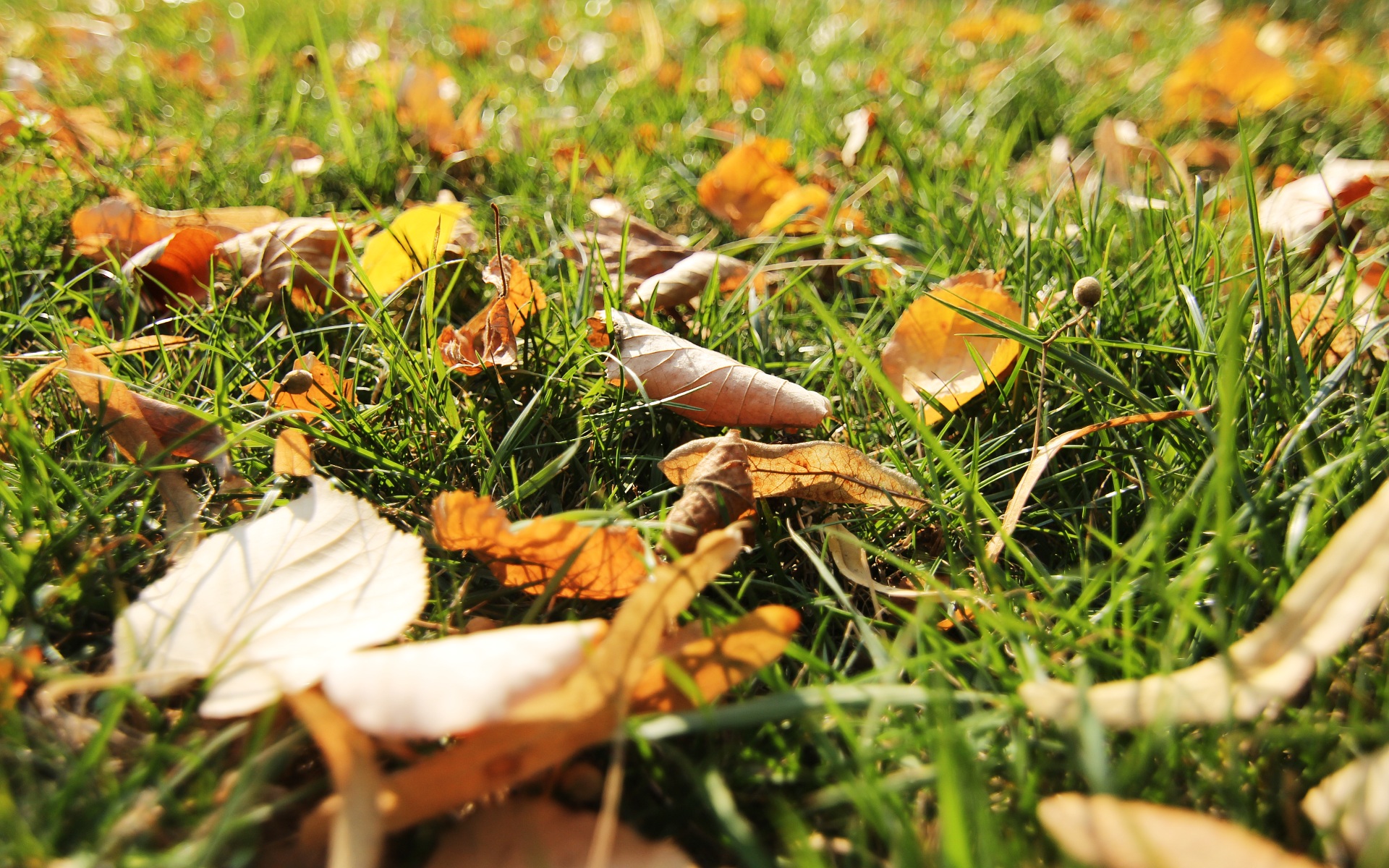
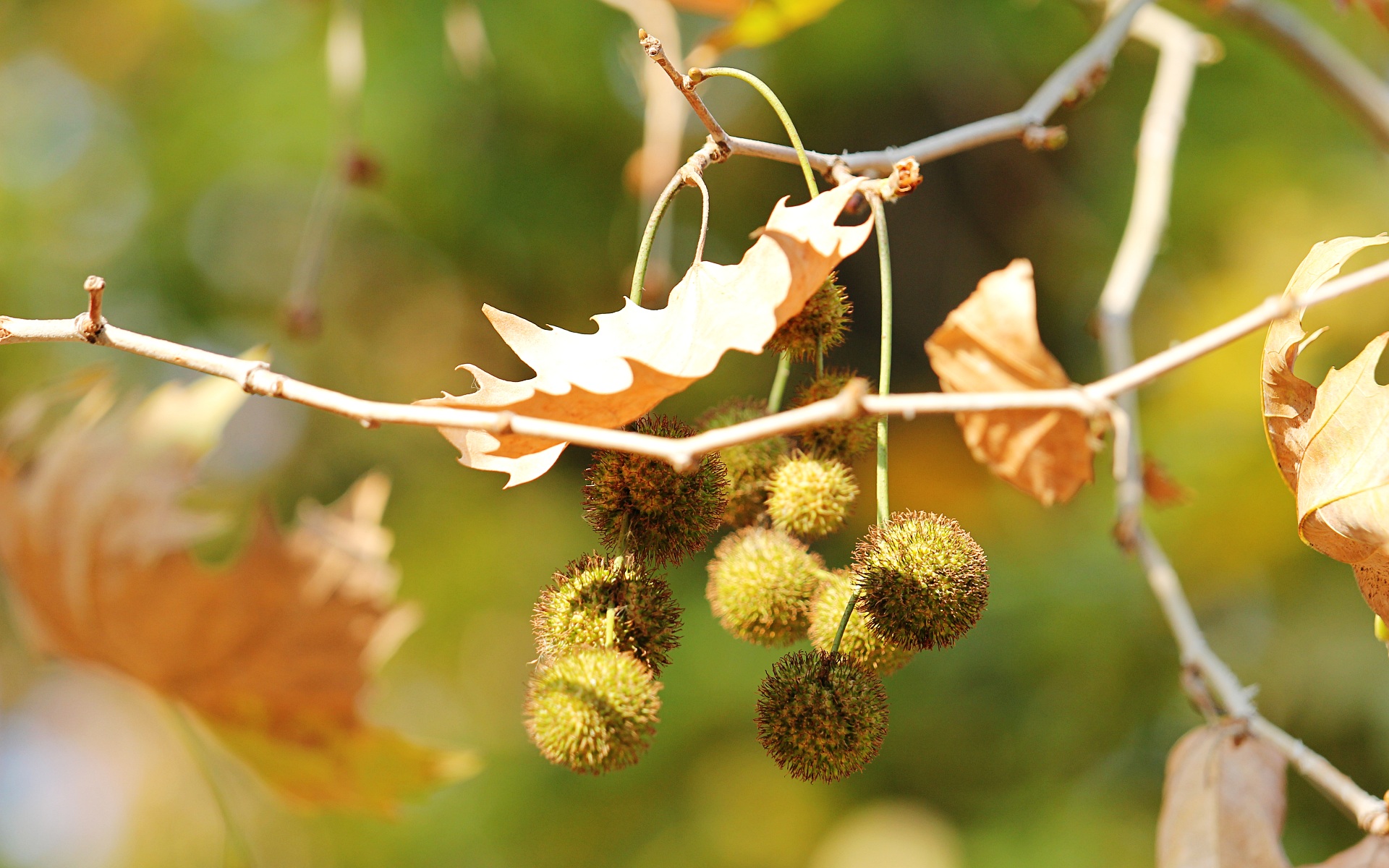
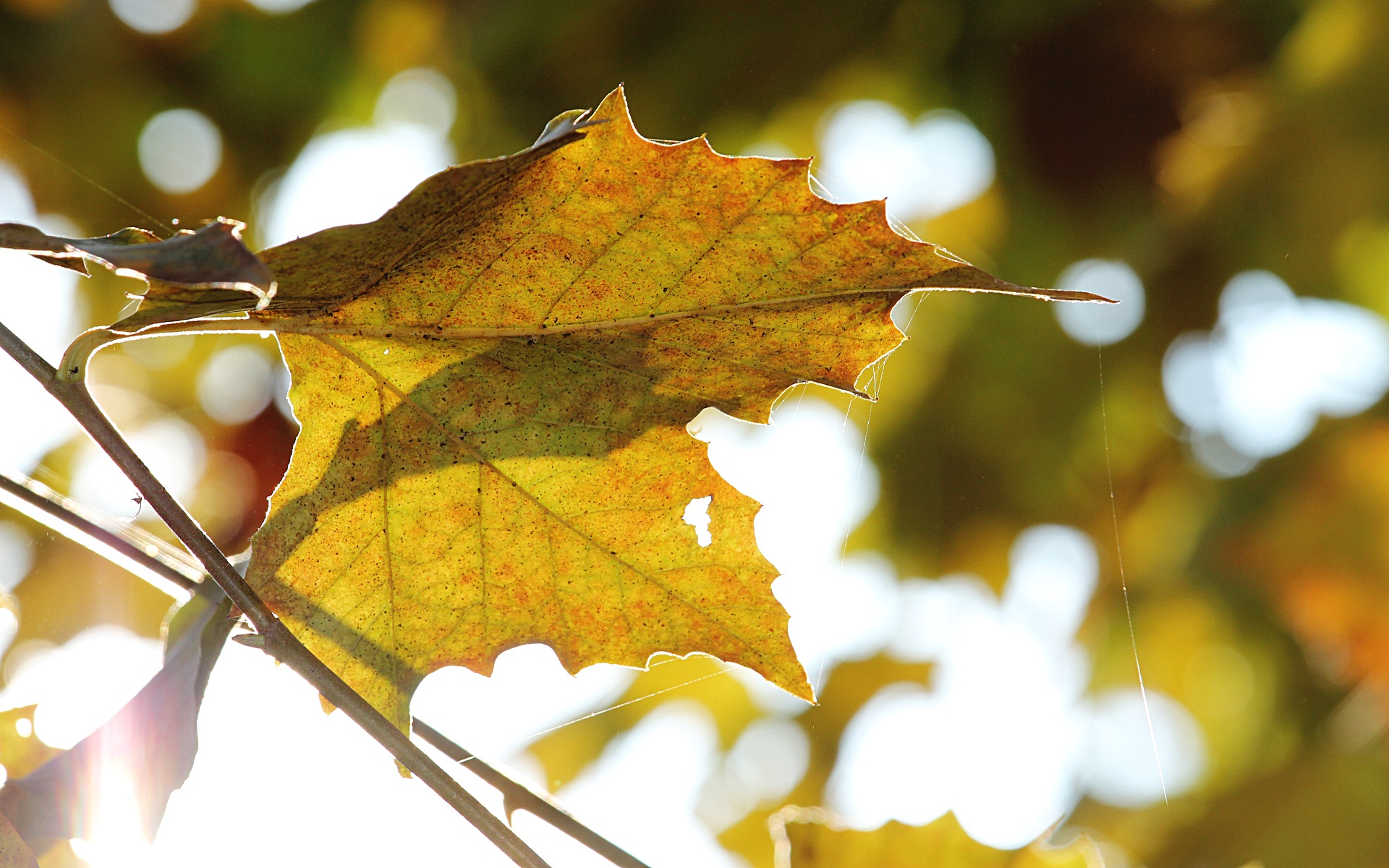
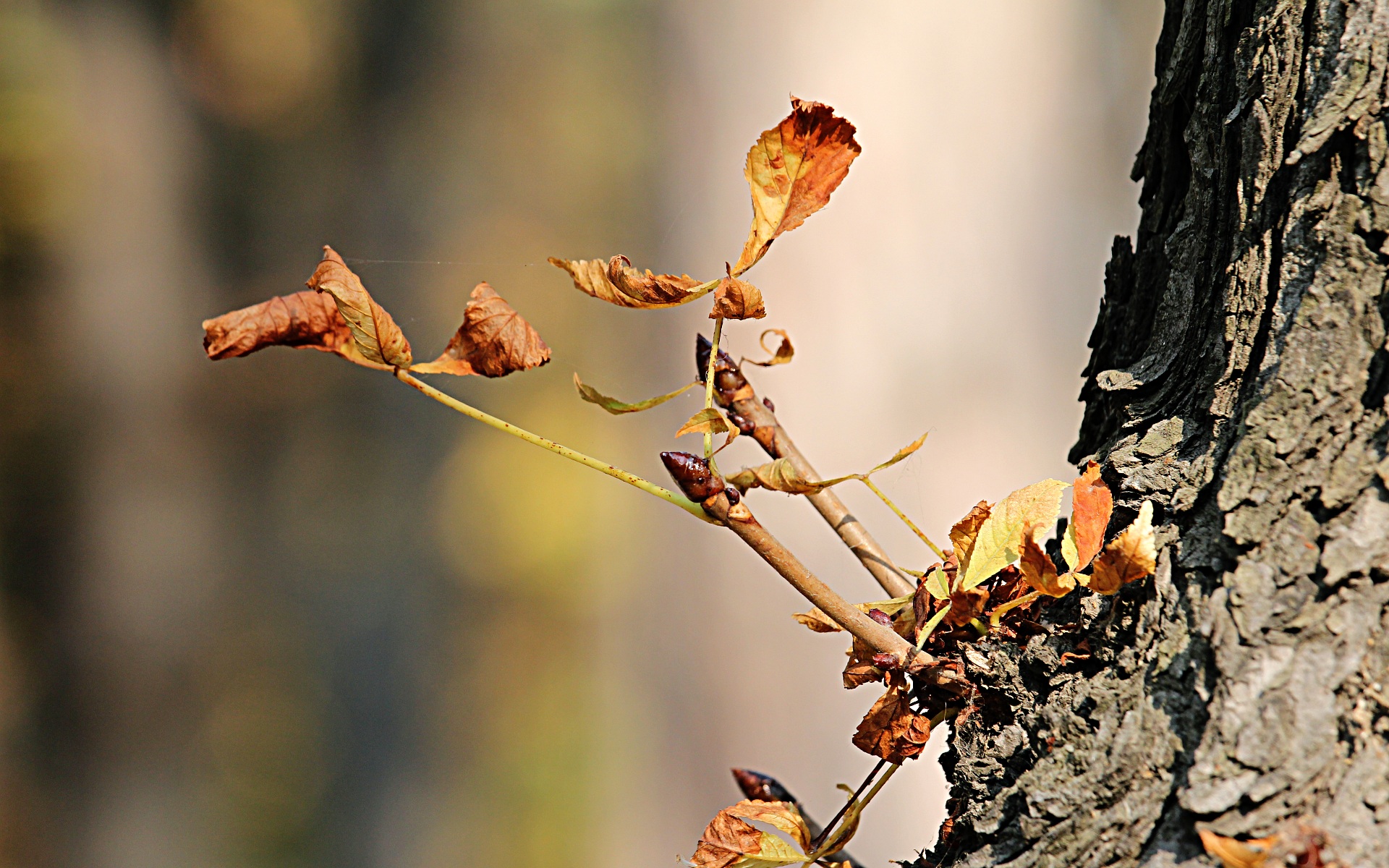
More autumn wallpapers

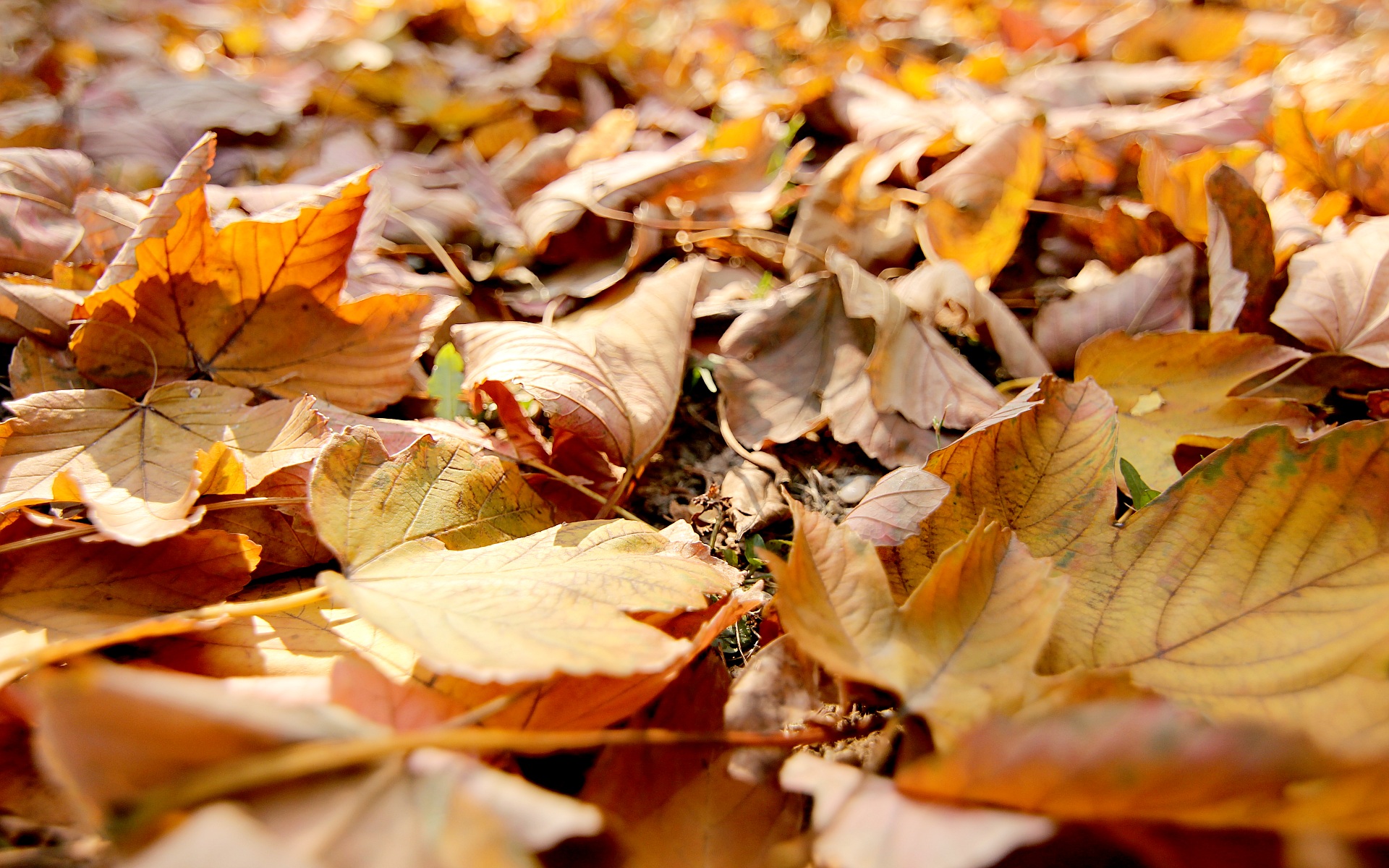
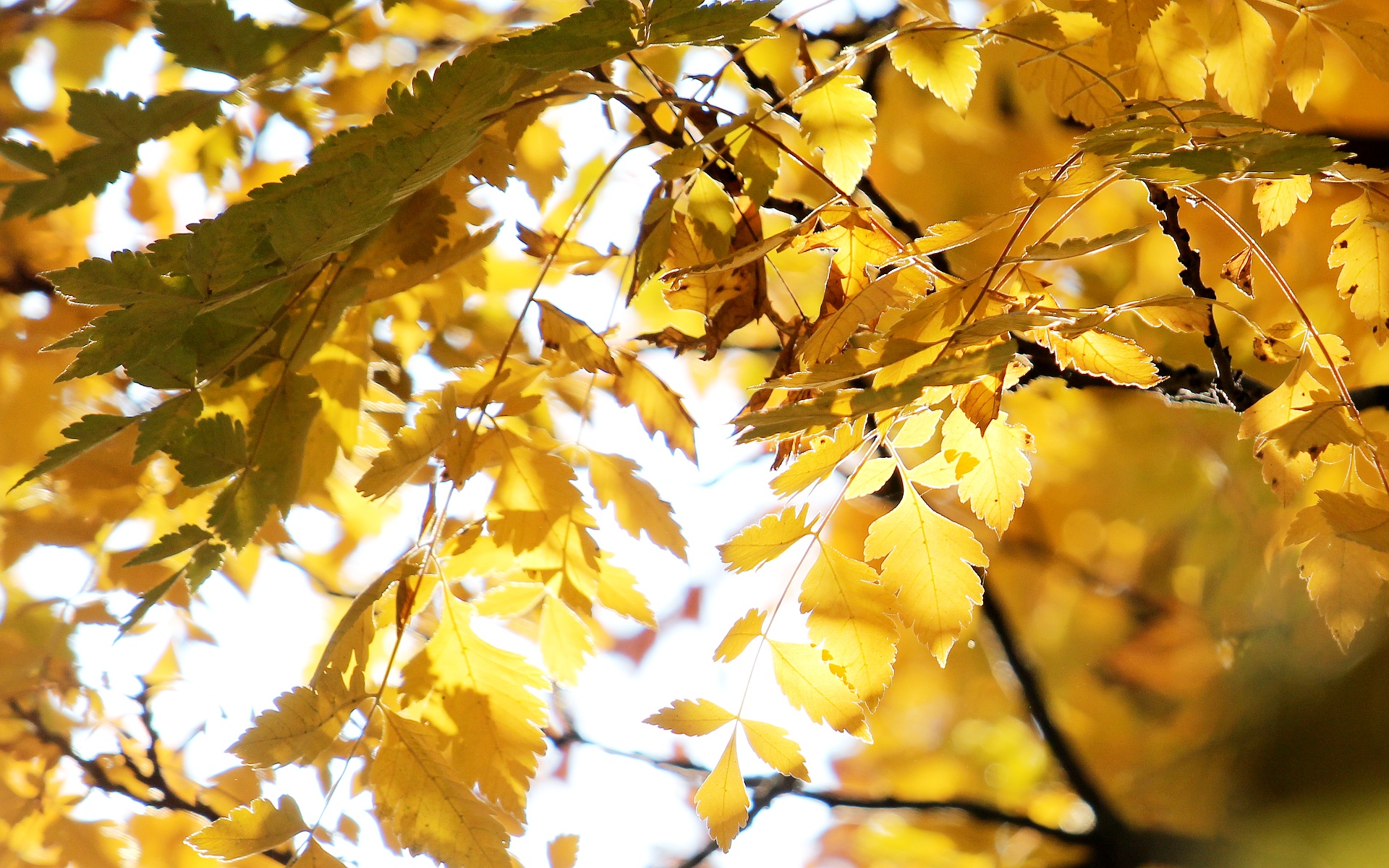
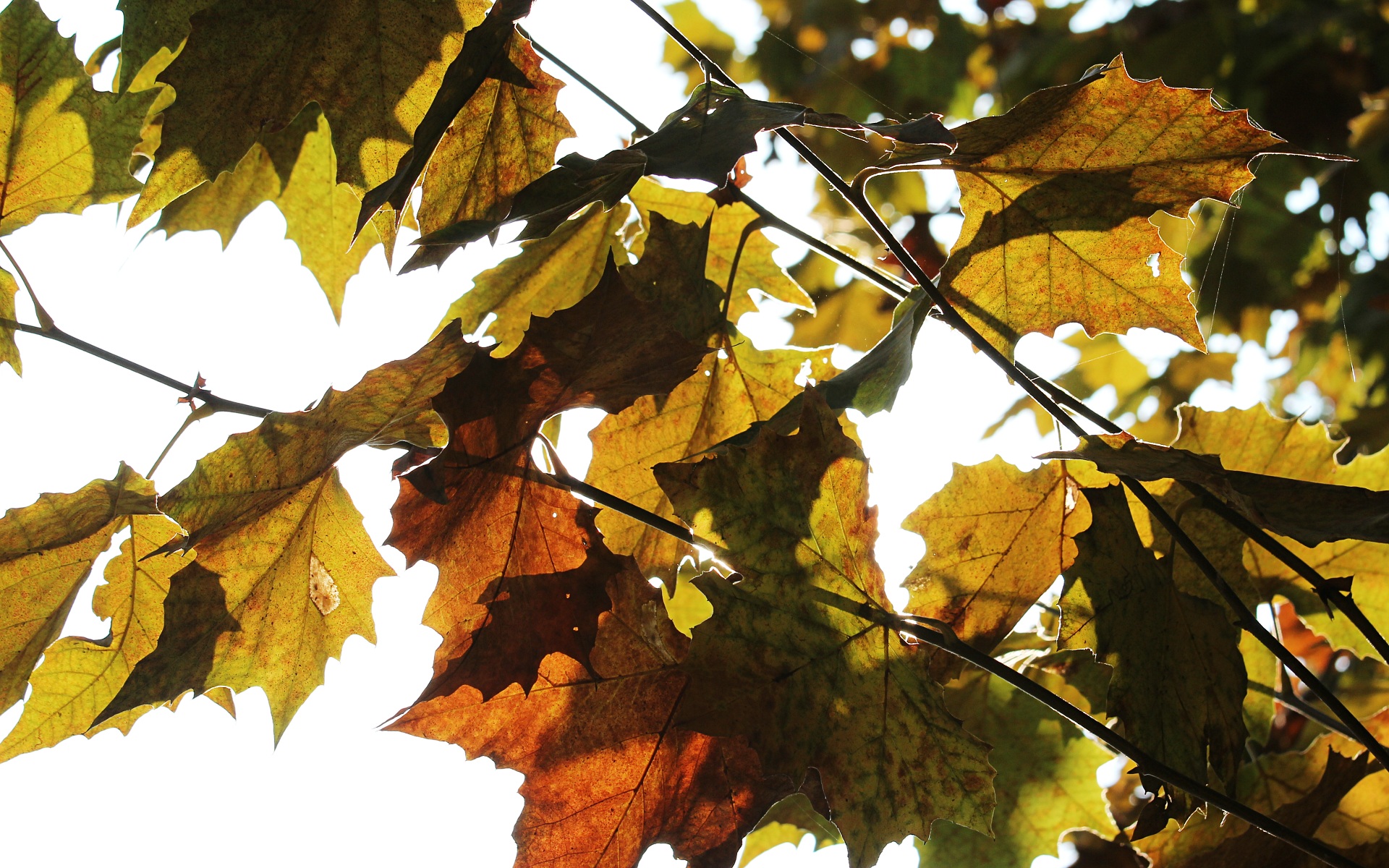
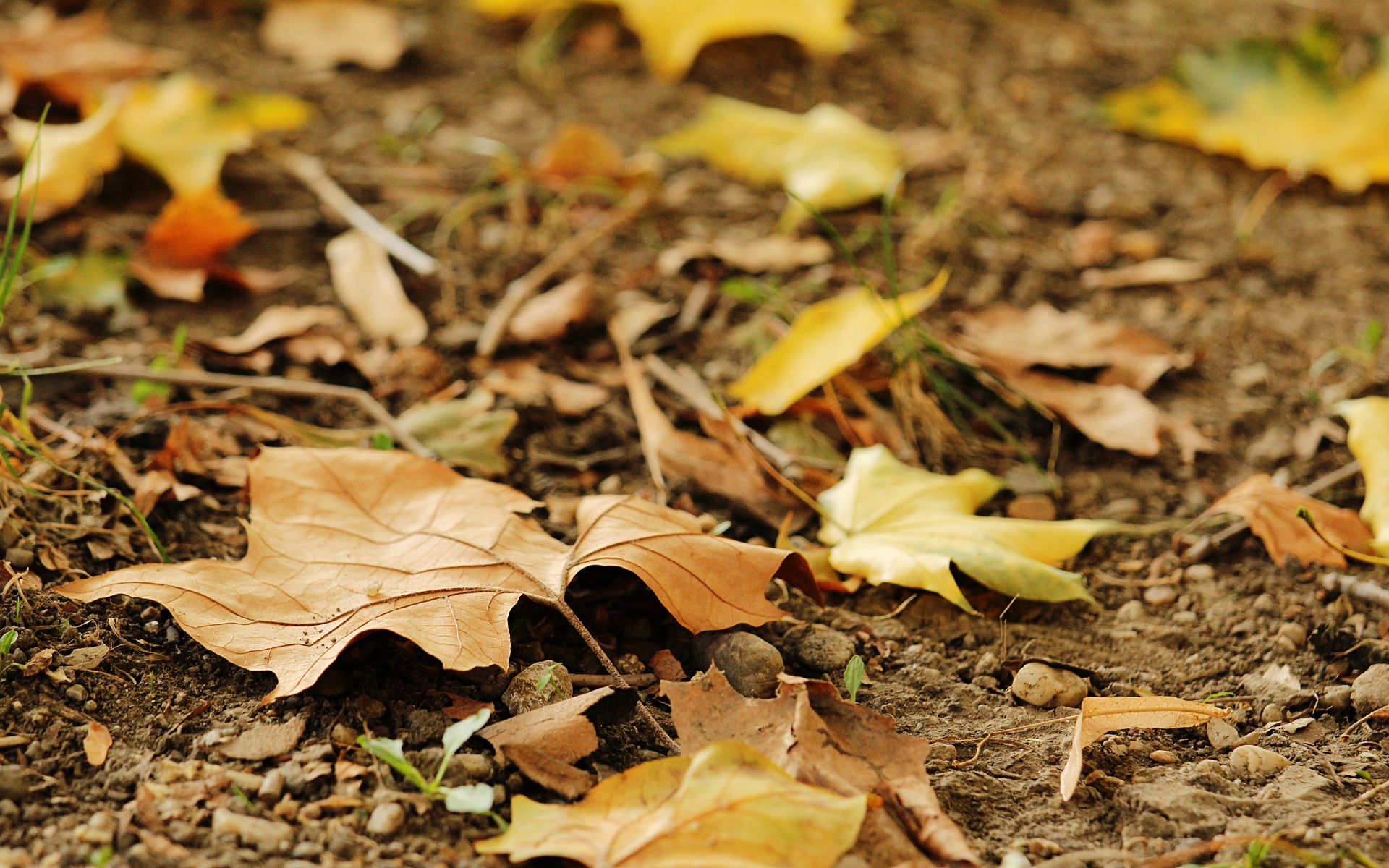
I already did a post with some Free autumn wallpapers which I unexpectedly caught back in Milano, but as the last week-end I stumbled upon some more beautiful autumn leaves here in Bucharest, so I couldn't stop myself from taking pics and prepare them as wide-screen wallpapers. Enjoy, they are Free.

autumn wallpaper
autumn wallpaper
autumn wallpaper
autumn wallpaper
autumn wallpaper
autumn wallpaper
autumn wallpaper
autumn wallpaper
autumn wallpaper